
Teacher Shortage Solutions: How New State Initiatives in 2026 Aim to Recruit and Retain Educators
The education sector stands at a critical juncture. Across the nation, schools grapple with an alarming and persistent teacher shortage, a crisis that threatens the quality of education for millions of students. This isn’t merely a lack of bodies in classrooms; it’s a systemic issue impacting everything from class sizes and curriculum delivery to student achievement and teacher morale. The reasons behind this crisis are multifaceted, ranging from insufficient compensation and challenging working conditions to a perceived lack of respect for the profession and a dwindling pipeline of new talent. As we look towards 2026, there’s a growing sense of urgency and a renewed commitment from state governments to tackle this issue head-on. New state initiatives are being developed and rolled out, designed to provide comprehensive teacher shortage solutions that address both recruitment and retention challenges.
Understanding the gravity of the situation is the first step. The National Center for Education Statistics (NCES) consistently reports vacancies in critical subject areas like special education, mathematics, science, and foreign languages. Beyond these specific fields, many rural and urban districts face difficulties filling positions across the board. The ripple effects are profound: overworked teachers, increased reliance on substitute teachers, and, ultimately, a compromised learning experience for students. This article will delve into the innovative and strategic state initiatives slated for 2026, exploring how they plan to transform the landscape of education by offering robust teacher shortage solutions. From financial incentives to professional development and improved working conditions, these new policies aim to make teaching a more attractive and sustainable career path, ensuring every student has access to a highly qualified educator.
The Alarming Reality of the Teacher Shortage Crisis
Before we explore the solutions, it’s crucial to fully grasp the scope and severity of the teacher shortage. This isn’t a new phenomenon, but it has been exacerbated by various factors, including the COVID-19 pandemic, which led to an accelerated rate of teacher burnout and early retirements. Economic pressures, stagnant wages, and increasing demands on educators have further strained the profession. A recent survey by the National Education Association (NEA) indicated that a significant percentage of teachers are considering leaving the profession earlier than planned, citing stress, lack of support, and inadequate pay as primary motivators. This exodus of experienced educators creates a knowledge gap that is difficult to fill, particularly in specialized fields.
Furthermore, the pipeline for new teachers is shrinking. Enrollment in teacher preparation programs has declined steadily over the past decade, signaling a long-term challenge in replenishing the teaching workforce. Many aspiring educators are deterred by the high cost of education, coupled with the relatively low starting salaries and the perceived lack of professional respect. This confluence of factors creates a perfect storm, leaving schools scrambling to find qualified staff and often resorting to hiring individuals without proper certification or experience, which can negatively impact student outcomes. Addressing these foundational issues is paramount for any effective teacher shortage solutions to succeed in the long run.
The impact extends beyond the classroom walls. A stable and well-supported teaching force is a cornerstone of strong communities. When schools struggle to retain teachers, it can lead to instability, decreased parent engagement, and a decline in overall educational quality, which affects property values and local economies. Therefore, the drive for effective teacher shortage solutions is not just about education; it’s about community well-being and future prosperity.
Pillar 1: Financial Incentives and Compensation Reform
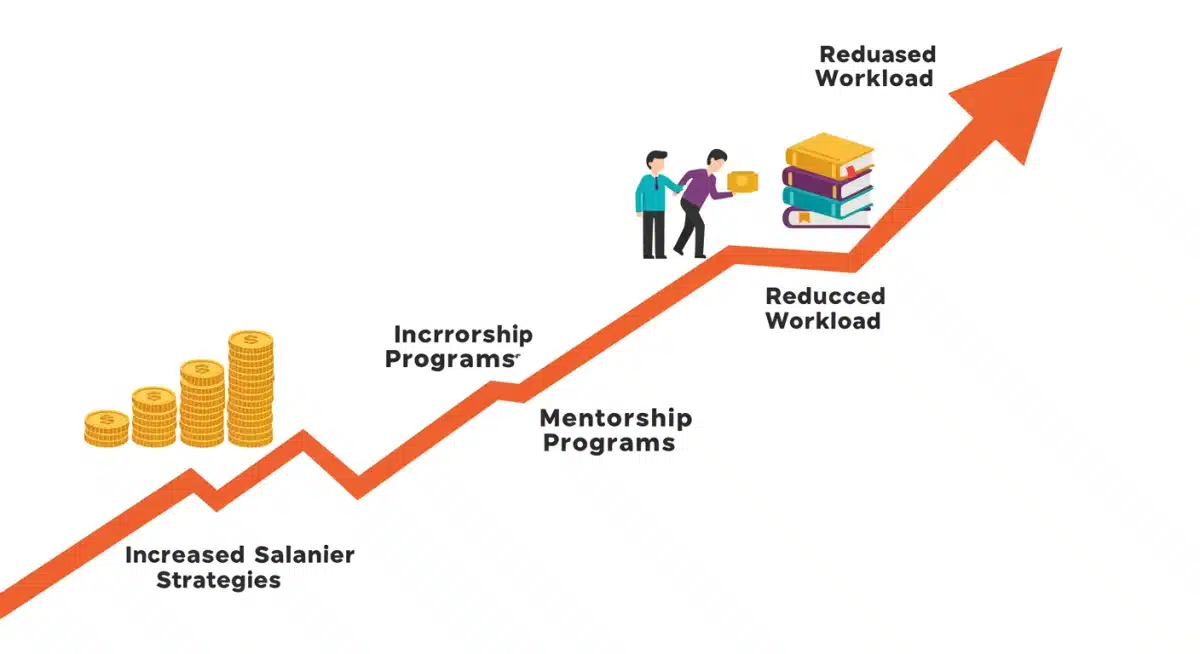
One of the most direct and impactful approaches to addressing the teacher shortage is through financial incentives. Historically, teacher salaries have lagged behind those of other professions requiring similar levels of education and responsibility. Recognizing this disparity, many new state initiatives for 2026 are focusing heavily on compensation reform and targeted financial aid to attract and retain talented individuals. These initiatives aim to make teaching a financially viable and attractive career choice, especially for those considering other lucrative professions.
Increased Base Salaries and Competitive Wages
Several states are proposing significant increases to base teacher salaries. The goal is to bring teacher pay closer to the national average for college graduates and to make it competitive with neighboring states or professions. Some states are even exploring minimum teacher salary benchmarks to ensure a living wage for all educators, regardless of district location. This fundamental shift in compensation is seen as a crucial step in signaling the value placed on the teaching profession and in providing a solid foundation for financial stability for educators.
Targeted Bonuses and Stipends
Beyond general salary increases, many initiatives include targeted bonuses and stipends. These are often designed to address specific areas of need. For instance, signing bonuses for teachers in high-demand subjects (like STEM, special education, or bilingual education) or in critical shortage areas (rural or underserved urban districts) are becoming more common. Similarly, retention bonuses for experienced teachers who commit to staying in challenging schools for a specified period can help stabilize faculty and reduce turnover. These bonuses serve as immediate financial motivators and recognize the unique challenges faced by educators in certain roles or locations.
Student Loan Forgiveness and Tuition Reimbursement Programs
The burden of student loan debt is a significant barrier for many aspiring teachers. New state initiatives are proposing expanded student loan forgiveness programs specifically for educators, particularly those who commit to teaching in public schools for a certain number of years. Additionally, tuition reimbursement programs for current teachers pursuing advanced degrees or certifications in shortage areas are being established. These programs alleviate financial pressure and encourage continuous professional development, contributing to a more skilled and specialized teaching workforce as part of the overall teacher shortage solutions strategy.
Housing Assistance and Cost-of-Living Support
In high-cost-of-living areas, even competitive salaries can be insufficient. Some forward-thinking states are exploring housing assistance programs, such as subsidized housing, down payment assistance, or rental support for teachers. These initiatives acknowledge that the cost of living can be a major deterrent to recruiting and retaining teachers, especially in metropolitan areas, and aim to remove this barrier, making it easier for educators to afford to live in the communities where they teach.
Pillar 2: Enhanced Professional Development and Support Systems
Financial incentives alone are not enough to create sustainable teacher shortage solutions. Educators also need robust professional development and strong support systems to thrive in their careers. The new state initiatives for 2026 recognize the importance of investing in teachers’ growth and well-being, fostering an environment where they feel valued, supported, and empowered.
Comprehensive Mentorship Programs
Transitioning into teaching, especially for new graduates, can be overwhelming. States are implementing comprehensive mentorship programs that pair novice teachers with experienced, highly effective mentors. These programs provide guidance, practical advice, and emotional support, helping new educators navigate the challenges of the profession and build confidence. Effective mentorship has been shown to significantly increase retention rates for early-career teachers, preventing early burnout and fostering long-term commitment.
Ongoing Professional Learning Opportunities
The landscape of education is constantly evolving, requiring teachers to continuously update their skills and knowledge. New initiatives are funding high-quality, relevant professional development opportunities that are tailored to the needs of educators and their students. This includes training in new pedagogical techniques, technology integration, classroom management strategies, and specialized instruction for diverse learners. These opportunities are often provided at no cost to teachers, removing a common barrier to professional growth.
Reduced Administrative Burdens and Increased Planning Time
Teachers often report that excessive administrative tasks and a lack of adequate planning time contribute significantly to their stress and burnout. States are exploring policies to reduce these burdens, such as streamlining reporting requirements, providing additional support staff for non-instructional duties, and mandating dedicated, protected planning time within the school day. By freeing up teachers to focus more on instruction and less on paperwork, these initiatives aim to improve job satisfaction and reduce the likelihood of educators leaving the profession.

Pillar 3: Streamlined Pathways to Certification and Diversification of the Workforce
To truly address the teacher shortage solutions, states must also broaden the entry points into the profession and actively work to diversify the teaching workforce. The new initiatives in 2026 are focusing on creating more accessible and flexible certification pathways, while also making concerted efforts to attract a more diverse pool of candidates who reflect the student populations they serve.
Alternative Certification Programs
Recognizing that not all talented individuals follow traditional pathways, states are expanding and refining alternative certification programs. These programs allow individuals with bachelor’s degrees in other fields, particularly those with subject matter expertise in high-need areas, to transition into teaching more efficiently. Often, these programs combine intensive training with supervised classroom experience, ensuring that candidates are well-prepared for the demands of teaching while earning their certification. This opens up the profession to a wider range of skilled professionals who might not have considered teaching otherwise.
“Grow Your Own” Programs
Many states are investing in “Grow Your Own” (GYO) programs, which aim to identify and cultivate future educators from within local communities. These initiatives often target high school students, paraprofessionals, and community members who have a strong connection to local schools. GYO programs can provide financial aid for college, mentorship, and guaranteed employment upon certification, creating a sustainable pipeline of teachers who are deeply committed to their local schools and understand the unique needs of their students. This is a powerful long-term strategy for teacher shortage solutions.
Recruitment from Diverse Backgrounds
There’s a significant push to diversify the teaching workforce to better reflect the racial, ethnic, and linguistic diversity of the student population. State initiatives are funding targeted recruitment campaigns, scholarships for minority teacher candidates, and partnerships with Historically Black Colleges and Universities (HBCUs) and other minority-serving institutions. Research consistently shows that students benefit from having teachers who share their backgrounds, leading to improved academic outcomes and a more inclusive school environment. These efforts are crucial for equitable and effective teacher shortage solutions.
Reducing Barriers to Interstate Mobility
For teachers moving across state lines, navigating different certification requirements can be a significant hurdle. New initiatives are working to streamline interstate reciprocity agreements, making it easier for certified teachers in one state to become certified in another. This reduces bureaucratic red tape and expands the pool of available teachers, allowing states to more effectively address their staffing needs by drawing from a wider talent pool.
Pillar 4: Fostering Positive School Culture and Teacher Well-being
The environment in which teachers work profoundly impacts their job satisfaction and likelihood of staying in the profession. New state initiatives in 2026 are placing a greater emphasis on cultivating positive school cultures and supporting teacher well-being as integral components of sustainable teacher shortage solutions.
Investing in School Leadership Training
Effective school leadership is a critical factor in teacher retention. States are recognizing this by investing in training programs for principals and other school administrators, focusing on instructional leadership, creating supportive work environments, and fostering collaborative cultures. Leaders who can inspire, empower, and advocate for their teachers are instrumental in building schools where educators want to stay and thrive.
Mental Health and Wellness Support
The demands of teaching can take a toll on mental health. New initiatives are providing resources for teacher mental health and wellness, including access to counseling services, stress reduction programs, and professional development focused on self-care. Some states are even implementing dedicated wellness coordinators within districts. By prioritizing the mental and emotional health of educators, states aim to reduce burnout and create a more resilient teaching force.
Teacher Voice and Collaborative Decision-Making
Empowering teachers by giving them a voice in decisions that affect their classrooms and schools can significantly boost morale and job satisfaction. State initiatives are encouraging and sometimes mandating structures for collaborative decision-making, where teachers are actively involved in curriculum development, policy discussions, and school improvement efforts. When teachers feel heard and respected, they are more likely to be invested in their schools and committed to their profession.
Measuring Success and Long-Term Sustainability of Teacher Shortage Solutions
The success of these new state initiatives in 2026 will hinge on robust implementation and continuous evaluation. It’s not enough to simply launch programs; states must meticulously track their effectiveness, adapt strategies as needed, and ensure long-term sustainability to truly solve the teacher shortage. This requires a commitment to data-driven decision-making and a willingness to evolve policies based on real-world outcomes.
Data Collection and Analysis
States are establishing more sophisticated data collection systems to monitor key metrics related to the teacher workforce. This includes tracking teacher recruitment numbers, retention rates (overall and by demographic/subject area), reasons for attrition, and the effectiveness of specific programs. By analyzing this data, states can identify what’s working, what’s not, and where resources need to be reallocated to maximize impact. This data-driven approach is fundamental to creating effective teacher shortage solutions.
Longitudinal Studies and Program Evaluation
Beyond immediate data, longitudinal studies will be crucial to understand the long-term effects of these initiatives. Are teachers recruited through alternative pathways staying in the profession? Are salary increases leading to sustained improvements in retention? Are mentorship programs truly fostering professional growth? Regular program evaluations, involving both quantitative and qualitative data, will provide insights into the efficacy of different strategies and inform future policy adjustments.
Cross-State Collaboration and Best Practices Sharing
The teacher shortage is a national issue, and states can learn from each other’s successes and challenges. New initiatives are fostering greater cross-state collaboration, encouraging the sharing of best practices, research findings, and policy models. This collaborative approach can accelerate the development and refinement of effective teacher shortage solutions, preventing states from reinventing the wheel and allowing them to build upon proven strategies.
Securing Sustainable Funding
For these initiatives to have a lasting impact, they require sustainable funding. States are exploring various funding mechanisms, including dedicated legislative appropriations, grant programs, and partnerships with philanthropic organizations. Ensuring a consistent and adequate financial commitment is paramount to maintaining momentum and preventing these vital programs from being cut during economic downturns. Without stable funding, even the most innovative teacher shortage solutions risk faltering.
Conclusion: A Brighter Future for Education Through Comprehensive Teacher Shortage Solutions
The challenges posed by the teacher shortage are immense, but the comprehensive and innovative state initiatives emerging in 2026 offer a genuine beacon of hope. By addressing the crisis from multiple angles – through competitive financial incentives, robust professional development, streamlined pathways to the profession, and a focus on teacher well-being and positive school culture – these states are laying the groundwork for a more stable, diverse, and highly qualified teaching workforce. The commitment to data-driven evaluation and long-term sustainability will be critical in ensuring that these efforts translate into tangible improvements for schools and, most importantly, for students.
As these new policies take root, the expectation is a significant shift in how the teaching profession is perceived and experienced. A career in education should be one of profound purpose, professional growth, and financial stability. By investing in our educators, we are not just filling vacancies; we are investing in the future of our children, our communities, and our nation. The journey to fully resolve the teacher shortage is ongoing, but with these proactive and comprehensive teacher shortage solutions, 2026 marks a pivotal moment in reimagining and revitalizing the noble profession of teaching.
It is imperative that all stakeholders – educators, policymakers, parents, and community members – remain engaged and supportive of these initiatives. The success of these programs relies on a collective understanding of the urgency and a shared vision for a future where every classroom is led by a passionate, skilled, and well-supported teacher. The time for piecemeal approaches is over; the era of holistic teacher shortage solutions has begun, promising a more resilient and inspiring educational landscape for generations to come.