Medicare Advantage 2026: Key Changes & How to Maximize Benefits

Maximizing Your Medicare Advantage Benefits in 2026: 5 Key Changes to Understand Now
As the healthcare landscape continues to evolve, staying informed about changes to your Medicare coverage is paramount. For millions of Americans, Medicare Advantage (Part C) plans offer a comprehensive alternative to Original Medicare, often bundling medical and prescription drug coverage with additional benefits. The year 2026 is poised to bring significant adjustments to Medicare Advantage, impacting everything from plan offerings to out-of-pocket costs and supplemental benefits. Understanding these pivotal changes now can empower you to make informed decisions, ensuring you maximize your Medicare Advantage 2026 benefits and maintain optimal health coverage.
Navigating the intricacies of Medicare can be challenging, but with foresight and preparation, you can confidently approach the upcoming changes. This in-depth guide will explore the five most critical adjustments projected for Medicare Advantage in 2026. We will delve into the implications of these changes, provide actionable strategies to adapt, and offer insights into how you can continue to leverage your plan for the best possible health outcomes. Whether you are a current Medicare Advantage enrollee or considering enrollment, this information is vital for securing your healthcare future.
The Shifting Landscape of Medicare Advantage: Why 2026 Matters
Medicare Advantage plans, offered by private insurance companies approved by Medicare, have grown immensely popular due to their integrated approach to healthcare. Unlike Original Medicare, which has separate Parts A (hospital insurance) and B (medical insurance), Medicare Advantage plans typically combine these, often include Part D (prescription drug coverage), and frequently add extra benefits like dental, vision, and hearing care. This bundled approach, coupled with predictable out-of-pocket maximums, makes them an attractive option for many beneficiaries.
However, the regulatory and economic environment surrounding Medicare is dynamic. Annual adjustments are common, but 2026 appears to be a year with potentially more substantial shifts. These changes are often driven by legislative updates, evolving healthcare needs, technological advancements, and efforts to improve plan efficiency and beneficiary outcomes. Staying on top of these developments is not just about compliance; it’s about optimizing your personal health and financial well-being. The decisions you make regarding your Medicare Advantage 2026 plan will directly influence your access to care, your financial responsibilities, and your overall peace of mind.
Key Change 1: Enhanced Focus on Value-Based Care and Quality Measures
One of the most significant trends impacting Medicare Advantage 2026 will be an intensified focus on value-based care and refined quality measures. The Centers for Medicare & Medicaid Services (CMS) has been steadily moving towards payment models that reward healthcare providers and plans for the quality of care they deliver, rather than just the quantity of services. In 2026, we can expect to see an even stronger emphasis on these metrics, which will influence how Medicare Advantage plans operate and what benefits they prioritize.
What This Means for You: Plans will be incentivized to offer services that prevent illness, manage chronic conditions effectively, and improve overall health outcomes. This could translate into more robust preventative care programs, better coordination among your healthcare providers, and potentially more innovative approaches to chronic disease management. You might see plans offering expanded access to telehealth, personalized care coordination, and programs designed to keep you healthy and out of the hospital. It also means that plans with higher star ratings, which reflect their quality, may become even more competitive and attractive, possibly offering richer benefits or lower premiums as a result of their strong performance.
Actionable Strategy: When evaluating Medicare Advantage 2026 plans, pay close attention to their star ratings and how they address quality of care. Look for plans that have a proven track record of excellent patient outcomes and that proactively support preventive health. Inquire about their care coordination programs, chronic disease management initiatives, and any specific wellness benefits designed to keep you healthy. A plan that excels in value-based care can lead to better health outcomes and a more satisfying healthcare experience.
Key Change 2: Adjustments to Out-of-Pocket Maximums and Cost-Sharing Structures
Another crucial area for Medicare Advantage 2026 is the potential for adjustments to out-of-pocket maximums and cost-sharing structures. While Medicare Advantage plans are required to have an annual out-of-pocket maximum for medical services (excluding prescription drugs) – a significant benefit not found in Original Medicare – the specific limits and how cost-sharing is applied can change year to year. These adjustments are typically influenced by inflation, healthcare utilization trends, and regulatory mandates.
What This Means for You: You might see changes in the maximum amount you could pay for covered medical services in a year. Additionally, the co-payments and deductibles for various services, such as doctor visits, specialist appointments, hospital stays, and emergency care, could be modified. Some plans might introduce new tiers for prescription drug costs or alter the cost-sharing for specific specialty medications. These changes directly impact your financial responsibility and the predictability of your healthcare expenses.
Actionable Strategy: Thoroughly review the Summary of Benefits and Evidence of Coverage for any Medicare Advantage 2026 plan you are considering. Pay close attention to the out-of-pocket maximum and compare it across different plans. Understand the co-payments and deductibles for services you anticipate using frequently, such as primary care visits, specialist consultations, and prescription drugs. If you have specific medical conditions or anticipate significant healthcare needs, calculate potential costs under different plans to identify the most financially suitable option. Don’t just look at the premium; consider the total potential cost of care.
Key Change 3: Expansion and Refinement of Supplemental Benefits
One of the most appealing aspects of Medicare Advantage plans is their ability to offer supplemental benefits not covered by Original Medicare. These often include dental, vision, hearing, fitness programs, and even transportation or meal delivery services. For Medicare Advantage 2026, we anticipate a continued expansion and refinement of these offerings, potentially with more innovative and personalized benefits.
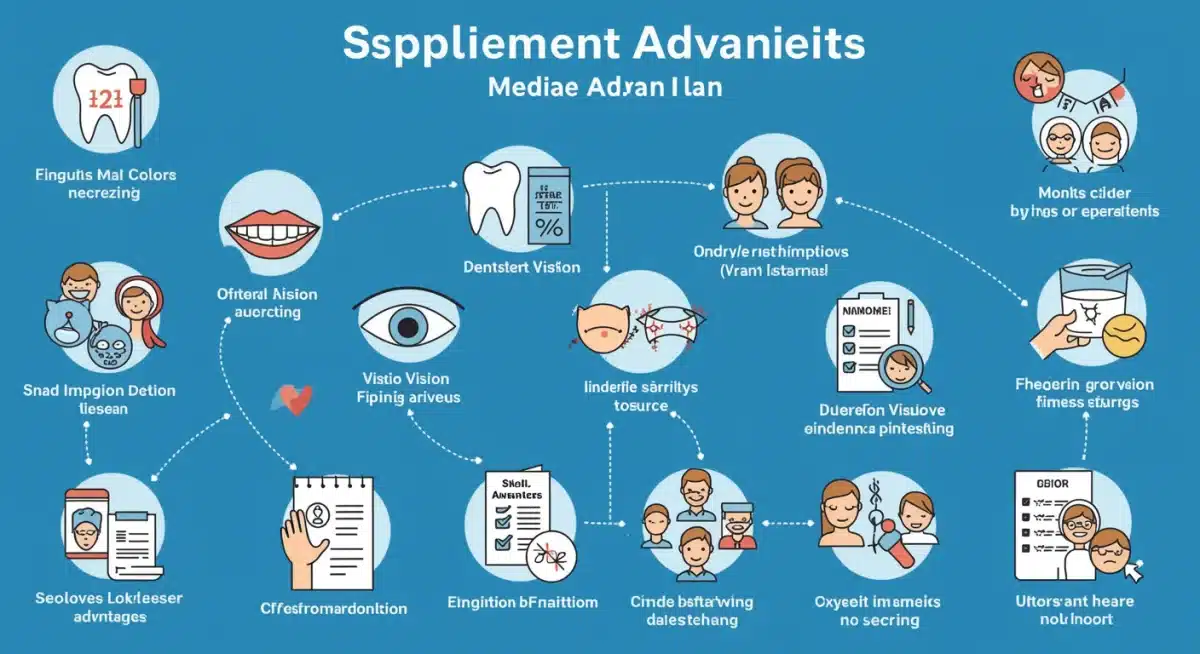
What This Means for You: You could see plans offering an even wider array of non-medical benefits designed to address social determinants of health. This might include enhanced dental coverage, more comprehensive vision and hearing aid allowances, expanded over-the-counter (OTC) allowances, or new benefits related to healthy food, home modifications, or caregiver support. CMS has been encouraging plans to offer more Special Supplemental Benefits for the Chronically Ill (SSBCI), which could lead to highly tailored benefits for individuals with specific health conditions.
Actionable Strategy: Evaluate your personal health needs and lifestyle when reviewing Medicare Advantage 2026 plans. Do you need extensive dental work? Are you concerned about your vision or hearing? Do you participate in fitness programs? Look for plans that offer supplemental benefits that genuinely add value to your life and address your specific requirements. Don’t overlook benefits that might seem minor but can significantly improve your quality of life, such as transportation to appointments or healthy food allowances. These benefits can lead to substantial savings and improved well-being.
Key Change 4: Greater Emphasis on Health Equity and Access to Care
CMS has made health equity a central pillar of its strategy, aiming to reduce disparities in healthcare access and outcomes. For Medicare Advantage 2026, this emphasis is expected to translate into policies and incentives that encourage plans to better serve underserved populations and improve access to care for all beneficiaries, regardless of their background or location.
What This Means for You: Plans may be encouraged or mandated to expand their provider networks in rural or underserved areas, offer culturally competent care, and provide materials in multiple languages. There could be an increased focus on telehealth services to bridge geographical gaps, and plans might introduce specific programs to address health disparities among their members. This could lead to more inclusive plan designs and a greater effort by plans to reach out to and support diverse communities.
Actionable Strategy: If you live in a rural area, belong to an underserved community, or have specific cultural or language needs, actively seek out Medicare Advantage 2026 plans that demonstrate a strong commitment to health equity. Inquire about their provider networks in your area, their telehealth capabilities, and any special programs or resources they offer to support diverse populations. Look for plans that are clear about their efforts to ensure all members have equitable access to high-quality care. Your choice can contribute to a more equitable healthcare system while ensuring your own needs are met.
Key Change 5: Continued Evolution of Prescription Drug Coverage (Part D)
Prescription drug coverage under Medicare Advantage (which often includes Part D) is another area that frequently undergoes modifications. With the ongoing implementation of the Inflation Reduction Act (IRA), 2026 will see further changes that impact drug costs and coverage structure within Medicare Part D, and by extension, Medicare Advantage plans.
What This Means for You: The IRA introduces significant reforms, including caps on out-of-pocket prescription drug costs, which will be fully implemented by 2025/2026. This means that in 2026, your annual out-of-pocket spending for covered prescription drugs in a Medicare Advantage plan with drug coverage will be capped at a specific amount (estimated to be around $2,000 for 2025, with further adjustments for 2026). Additionally, the structure of the catastrophic phase of coverage will change, and negotiations for certain high-cost drugs will continue to take effect, potentially leading to lower drug prices over time. This could result in more predictable and potentially lower drug costs for many beneficiaries, especially those with high prescription drug expenses.
Actionable Strategy: Review your current prescription drug list (formulary) and compare it with the formularies of prospective Medicare Advantage 2026 plans. Pay close attention to the tiers your medications fall into and the associated co-payments or co-insurance. Understand how the new out-of-pocket cap will affect your projected drug costs, especially if you take expensive medications. Look for plans that offer preferred pharmacies that can further reduce your costs. If you have complex medication needs, consider utilizing the plan’s medication therapy management programs, if available, to ensure you’re getting the most effective and affordable prescriptions.
Preparing for Medicare Advantage 2026: Your Action Plan
The key to maximizing your Medicare Advantage 2026 benefits lies in proactive engagement and thorough research. Here’s a comprehensive action plan to guide you:
1. Stay Informed and Educated
Regularly check official Medicare resources (Medicare.gov), CMS announcements, and reputable healthcare news outlets for updates on 2026 changes. Understanding the regulatory environment is your first step towards making smart decisions. Attend webinars or informational sessions offered by Medicare experts or insurance agencies. Knowledge is power when it comes to healthcare decisions.
2. Review Your Current Plan Annually
Even if you’re happy with your current Medicare Advantage plan, don’t assume it will remain the same. Plans can change their benefits, costs, and provider networks every year. Your plan will send you an Annual Notice of Change (ANOC) and Evidence of Coverage (EOC) in the fall, detailing all changes for the upcoming year. Read these documents carefully. The ANOC is a critical document that outlines specific changes to your plan’s benefits, coverage, and costs for the next year. Ignoring it could lead to unexpected expenses or loss of preferred services.
3. Assess Your Evolving Healthcare Needs
Your health needs are not static. What worked for you last year might not be the best fit for Medicare Advantage 2026. Have your medical conditions changed? Do you anticipate new health concerns? Are you taking new medications? Consider any lifestyle changes, such as moving to a new area, that might impact your access to specific providers or services. A holistic assessment of your health situation is crucial for selecting a plan that truly meets your needs.
4. Utilize Medicare’s Plan Finder Tool
During the Annual Enrollment Period (AEP), from October 15 to December 7 each year, Medicare’s Plan Finder tool (on Medicare.gov) is an invaluable resource. It allows you to compare available Medicare Advantage 2026 plans in your area, input your specific medications, and see estimated costs and benefits side-by-side. This tool is designed to provide personalized comparisons based on your health profile and preferences.
5. Consult with a Licensed Medicare Advisor
Navigating the complexities of Medicare Advantage can be overwhelming. A licensed Medicare insurance agent or financial advisor specializing in Medicare can provide personalized guidance. They can help you understand the nuances of the 2026 changes, compare plans based on your specific needs, and ensure you’re making the best choice for your health and budget. They can also clarify eligibility requirements and help you enroll.

6. Understand Network Changes
Provider networks can change annually. Ensure that your preferred doctors, specialists, and hospitals are still in-network with any Medicare Advantage 2026 plan you are considering. Out-of-network care can be significantly more expensive. If you rely on specific specialists or healthcare systems, verify their inclusion in the plan’s network before committing.
7. Consider Long-Term Implications
While annual enrollment focuses on the immediate year, it’s also wise to consider the long-term implications of your plan choice. How might your health needs evolve over the next few years? Does the plan offer stability and comprehensive coverage that can adapt to potential future changes in your health? Thinking ahead can save you from having to switch plans frequently.
The Importance of the Annual Enrollment Period (AEP)
The Annual Enrollment Period (AEP), which runs from October 15th to December 7th each year, is your primary opportunity to make changes to your Medicare Advantage 2026 plan. During this time, you can:
- Switch from Original Medicare to a Medicare Advantage plan.
- Switch from a Medicare Advantage plan back to Original Medicare.
- Switch from one Medicare Advantage plan to another.
- Join, switch, or drop a Medicare Part D (prescription drug) plan.
Any changes you make during AEP will become effective on January 1st of the following year. Missing this window means you might have to wait until the next AEP or rely on a Special Enrollment Period (SEP), which has specific qualifying conditions. Therefore, mark your calendar and prioritize reviewing your options during AEP.
Beyond 2026: The Continuous Evolution of Medicare Advantage
It’s important to remember that Medicare Advantage is a dynamic program. While we’ve focused on the projected changes for Medicare Advantage 2026, the evolution will continue. Future years may bring further legislative reforms, technological advancements in healthcare delivery, and new approaches to benefit design. By establishing a routine of annual review and staying connected to reliable sources of information, you can ensure that your healthcare coverage always aligns with your needs and goals.
The goal is not just to enroll in a plan, but to enroll in the right plan – one that offers comprehensive coverage, fits your budget, and supports your overall health and well-being. Understanding the upcoming changes in Medicare Advantage 2026 is a critical step in achieving this goal. Take the time now to educate yourself, assess your options, and make empowered decisions for your healthcare future.
Conclusion: Proactive Planning for Optimal Medicare Advantage 2026 Coverage
The anticipated changes to Medicare Advantage in 2026 represent a continued effort to refine and improve the program, focusing on value-based care, cost containment, expanded supplemental benefits, health equity, and optimized prescription drug coverage. These shifts, while designed to benefit beneficiaries, require your attention and proactive planning to ensure you are well-positioned to take full advantage of your Medicare Advantage 2026 options.
By staying informed about the evolving landscape, carefully reviewing your current plan’s Annual Notice of Change, assessing your personal health needs, and leveraging available resources like the Medicare Plan Finder and licensed advisors, you can confidently navigate these changes. The Annual Enrollment Period is your crucial window to act, ensuring that your chosen plan for 2026 provides the best possible balance of coverage, cost, and convenience for your unique circumstances. Empower yourself with knowledge today to secure a healthier and more financially predictable tomorrow under Medicare Advantage.