Special Education 2026: New Federal Guidelines Impacting 7 Million US Students
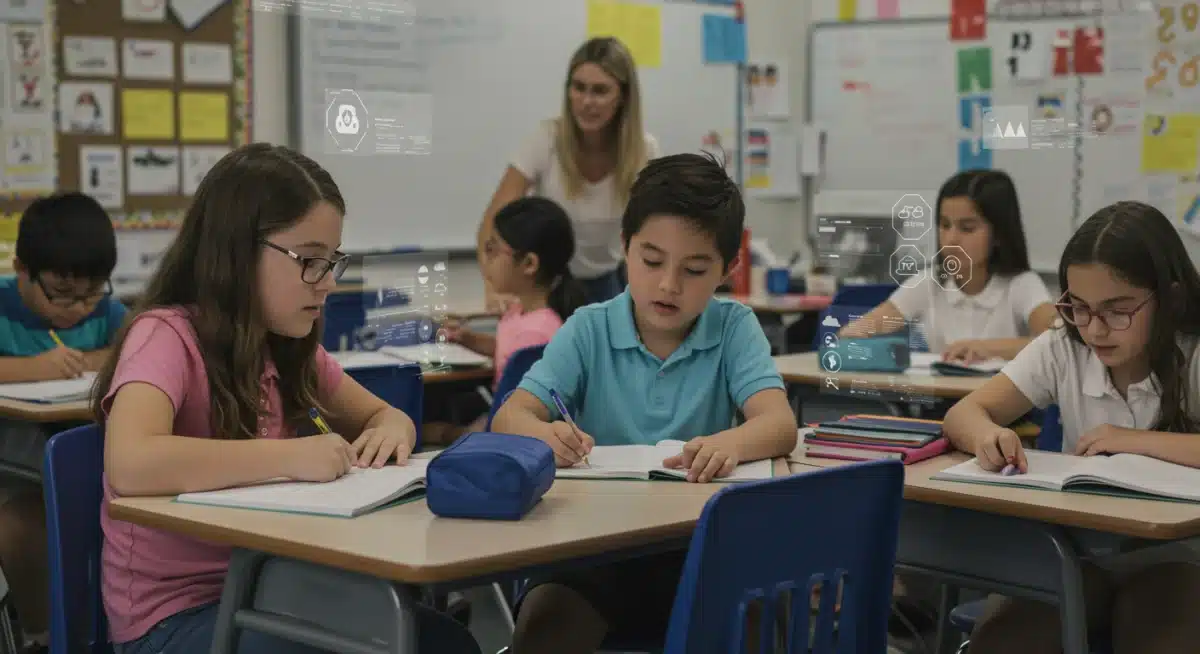
New federal guidelines for special education in 2026 are poised to redefine support and resources for over 7 million US students, significantly altering how schools approach inclusive education and individualized learning plans.
The landscape of education for students with disabilities in the United States is on the cusp of a significant transformation. With the upcoming federal guidelines for special education in 2026, over 7 million US students and their families are bracing for changes that promise to reshape how support and resources are allocated and implemented in schools nationwide. This article delves into the core aspects of these anticipated changes, offering insights into their potential impact and what stakeholders can expect.
Understanding the impetus behind the 2026 special education guidelines
The federal government’s decision to update special education guidelines for 2026 stems from a comprehensive review of existing policies and an acknowledgment of evolving educational needs. Decades of data have highlighted areas where current frameworks fall short, particularly in addressing disparities in access, ensuring equitable outcomes, and integrating technological advancements. This proactive stance aims to create a more robust and responsive system for students with disabilities.
The push for these new guidelines is not merely administrative; it’s a direct response to feedback from educators, parents, advocacy groups, and, crucially, students themselves. The goal is to move beyond compliance and foster an environment where every student, regardless of their challenges, can thrive academically and socially. This means revisiting everything from identification processes to post-secondary transition planning.
Historical context and legislative evolution
Special education in the US has a rich history of legislative milestones, from the Education for All Handicapped Children Act of 1975 to the Individuals with Disabilities Education Act (IDEA). Each iteration has sought to strengthen protections and improve services. The 2026 guidelines are the latest chapter in this ongoing evolution, building on past successes while addressing contemporary challenges.
- IDEA’s Enduring Legacy: IDEA guarantees free appropriate public education (FAPE) and individualized education programs (IEPs) for eligible students.
- Addressing Modern Challenges: The new guidelines aim to tackle issues like mental health support, digital accessibility, and personalized learning pathways.
- Stakeholder Collaboration: Extensive consultations with various groups have informed the proposed changes, ensuring a holistic perspective.
Ultimately, these guidelines represent a forward-looking approach, recognizing that the needs of students with disabilities are dynamic and require continuous adaptation. The emphasis is on flexibility, innovation, and a commitment to genuine inclusion, moving away from a one-size-fits-all model.
Key changes expected in individualized education programs (IEPs)
Perhaps one of the most significant areas of impact for the new 2026 federal guidelines will be the Individualized Education Programs (IEPs). These legally binding documents are the cornerstone of special education, outlining a student’s educational goals, services, and accommodations. The upcoming changes are expected to make IEPs more dynamic, student-centered, and responsive to individual needs, moving beyond a standardized approach.
The aim is to enhance the collaborative process between parents, educators, and students, ensuring that IEPs truly reflect a student’s strengths, challenges, and aspirations. This includes a greater emphasis on functional goals, transition planning from an earlier age, and incorporating assistive technology more seamlessly into daily learning.
Enhanced student voice and self-advocacy
A notable shift is the increased focus on involving students directly in their IEP development, fostering self-advocacy skills from an earlier age. This empowerment is crucial for students to understand their rights, communicate their needs, and take an active role in their educational journey.
- Student-Led Meetings: Encouraging students to lead portions of their IEP meetings to articulate their goals and preferences.
- Age-Appropriate Involvement: Tailoring participation to the student’s developmental level, starting with basic choices and progressing to complex decision-making.
- Curriculum on Self-Advocacy: Integrating lessons on disability rights, communication skills, and goal setting into the curriculum.
The revised IEP framework will also likely streamline the process for documenting and reviewing goals, making it easier for all parties to track progress and make necessary adjustments. The intent is to create living documents that evolve with the student, rather than static plans that may not fully capture their growth or changing needs.
Technological integration and digital accessibility mandates
The 2026 special education guidelines are poised to place a much stronger emphasis on the integration of technology and digital accessibility within all educational settings. Recognizing the pervasive role of technology in modern learning and daily life, the new mandates aim to ensure that students with disabilities have equitable access to digital resources, tools, and platforms. This involves not just providing devices but ensuring that the content delivered through them is fully accessible.
This push for technological integration is not merely about convenience; it’s about leveling the playing field. Digital tools can unlock new learning pathways, offer personalized instruction, and provide alternative means of communication and expression for students who might otherwise struggle with traditional methods. The guidelines will likely set clear standards for what constitutes accessible digital content and how schools are expected to implement it.
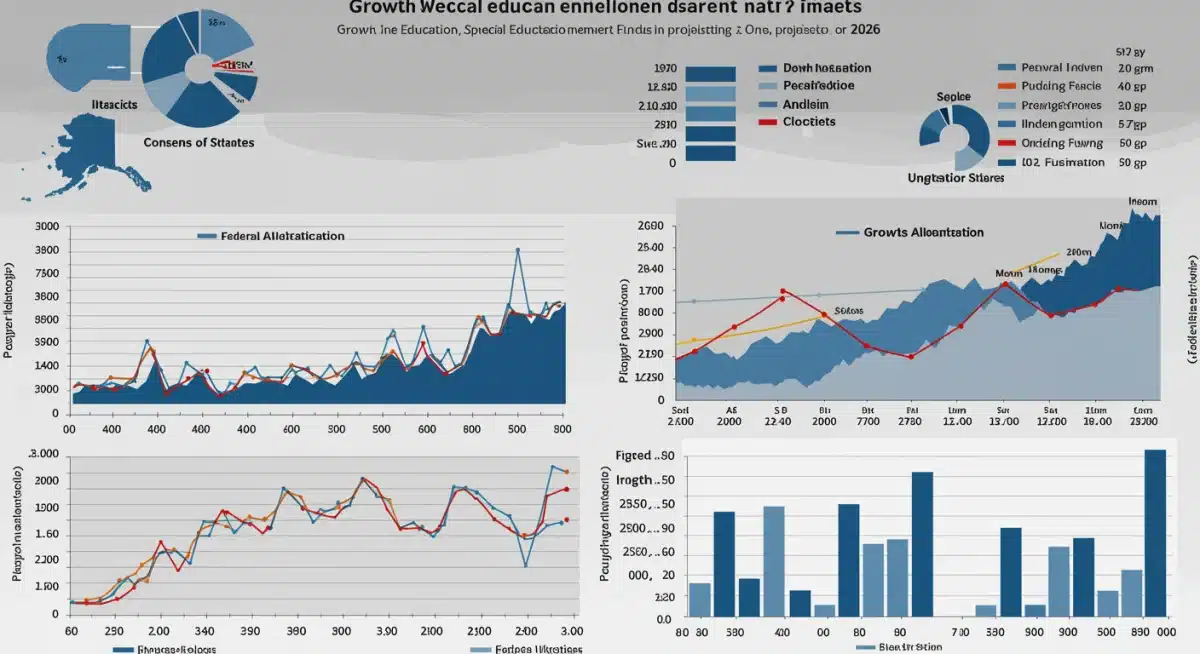

Assistive technology and universal design for learning (UDL)
A core component of the technological mandates will be the increased emphasis on assistive technology (AT) and the principles of Universal Design for Learning (UDL). AT includes a wide range of devices and services that help students with disabilities access education, from screen readers to communication devices. UDL, on the other hand, is an instructional framework that guides the design of learning environments to be accessible to all learners from the outset.
The guidelines will promote a proactive approach, encouraging educators to consider AT and UDL principles during lesson planning, rather than as an afterthought. This means:
- Early Integration of AT: Assessing and integrating appropriate assistive technologies from early grades to support learning and independence.
- UDL in Curriculum Design: Ensuring that all curricula are designed with multiple means of representation, engagement, and action/expression.
- Teacher Training: Providing comprehensive professional development for educators on AT utilization and UDL implementation.
Ultimately, these provisions aim to create learning environments where technology acts as an enabler, breaking down barriers and fostering a truly inclusive educational experience for every student.
Funding implications and resource allocation for schools
The implementation of new federal guidelines for special education in 2026 inevitably brings significant funding implications and necessitates a re-evaluation of resource allocation for schools across the nation. Providing enhanced services, integrating advanced technology, and offering comprehensive teacher training all come with substantial costs. The federal government is expected to address this through various mechanisms, though the exact details of increased funding and distribution models are still highly anticipated by state and local education agencies.
Schools will need to strategically plan their budgets to accommodate these changes, which might include reallocating existing funds, seeking new grant opportunities, and advocating for increased state-level support. The goal is to ensure that the mandates are not unfunded, but rather supported by adequate resources to achieve their intended impact on over 7 million US students.
Federal grants and state partnerships
A key aspect of the funding strategy will likely involve federal grants specifically earmarked for special education initiatives aligned with the new guidelines. These grants could target areas such as technology infrastructure upgrades, specialized professional development, and the expansion of mental health services within schools.
- IDEA Part B Funding: Continued and potentially increased appropriations under IDEA Part B to support state and local efforts.
- Competitive Grant Programs: New competitive grants for innovative special education programs and research.
- State-Level Matching Funds: Encouraging states to provide matching funds or increase their own special education budgets to leverage federal investments.
Furthermore, the guidelines are expected to encourage stronger partnerships between federal, state, and local entities to maximize the efficient use of resources. This collaborative approach aims to create a sustainable funding model that supports long-term improvements in special education services, ensuring that the benefits reach every eligible student.
Teacher training and professional development mandates
The success of the 2026 federal guidelines for special education hinges critically on the preparedness of educators. Therefore, significant mandates are expected regarding teacher training and ongoing professional development. The evolving needs of students with disabilities, coupled with advancements in educational technology and pedagogical approaches, necessitate that teachers are equipped with the latest knowledge and skills. This will likely extend beyond special education teachers to include general education teachers, paraprofessionals, and administrators, fostering a truly inclusive school environment.
The goal is to ensure that every educator understands their role in supporting students with disabilities, from implementing IEP accommodations to utilizing universal design for learning principles. This comprehensive training will be essential for translating policy changes into tangible improvements in the classroom experience for over 7 million US students.
Specialized skills and inclusive practices
The new guidelines will likely emphasize training in specialized areas that reflect current best practices and emerging needs in special education. This includes:
- Behavioral Interventions: Training in positive behavior interventions and supports (PBIS) to create supportive learning environments.
- Assistive Technology Proficiency: Developing competence in using and integrating various assistive technologies for diverse student needs.
- Differentiated Instruction: Mastering strategies for differentiating instruction to meet a wide range of learning styles and abilities in inclusive classrooms.
- Mental Health Awareness: Enhancing understanding of mental health challenges and appropriate support mechanisms for students.
Moreover, there will be a strong focus on fostering inclusive practices, moving away from segregated learning environments towards models where students with disabilities are educated alongside their non-disabled peers to the maximum extent appropriate. This requires general education teachers to be adept at modifying instruction and collaborating effectively with special education colleagues. The investment in professional development is an investment in the future success of all students.
Impact on families and parental involvement
The 2026 federal guidelines for special education are anticipated to profoundly impact families and significantly redefine parental involvement in their children’s education. Recognizing that parents are primary advocates and experts on their children’s needs, the new guidelines are expected to strengthen their role, ensuring their voices are not just heard but are integral to the decision-making process. This shift aims to foster a more collaborative and transparent relationship between schools and families, moving beyond mere compliance to genuine partnership.
For the families of over 7 million US students receiving special education services, these changes could mean greater access to information, enhanced support networks, and a more streamlined process for advocating for their child’s individualized needs. The emphasis will be on empowering parents with knowledge and resources to navigate the special education system effectively.
Empowering parents through resources and communication
The guidelines are likely to mandate improved communication channels and more accessible resources for parents. This could include:
- Clearer IEP Documentation: Ensuring IEP documents are written in plain language, avoiding jargon, and easily understandable by parents.
- Parent Training Programs: Offering workshops and resources to educate parents on their rights, available services, and effective advocacy strategies.
- Accessible Communication Tools: Mandating the use of accessible communication methods, including translations and alternative formats, to reach all families.
Furthermore, the guidelines may emphasize the creation of parent advisory committees or similar bodies at the district level, providing a formal mechanism for parental input on special education policies and practices. This collective involvement can lead to more responsive and effective services for the entire student population with disabilities. The ultimate goal is to create a supportive ecosystem where families feel valued, informed, and empowered to contribute to their child’s educational success.
Anticipated challenges and opportunities for implementation
As with any sweeping policy change, the implementation of the 2026 federal guidelines for special education will present both anticipated challenges and significant opportunities. Successfully navigating these will be crucial to realizing the full potential of the reforms and ensuring positive outcomes for over 7 million US students. The scale of the changes, touching upon funding, technology, training, and parental involvement, means that a concerted and adaptive effort will be required from all stakeholders.
One of the primary challenges will be consistency in implementation across diverse school districts, which vary widely in resources, demographics, and existing infrastructure. However, these challenges also open doors for innovation, collaboration, and a renewed commitment to inclusive education.
Overcoming resistance and fostering innovation
Resistance to change, often stemming from resource constraints or ingrained practices, is a potential hurdle. Addressing this will require clear communication, robust support systems, and demonstrating the long-term benefits of the new guidelines. Key opportunities include:
- Professional Learning Communities: Establishing networks for educators to share best practices and problem-solve implementation issues collaboratively.
- Pilot Programs: Launching pilot programs in select districts to test strategies and gather feedback before wider rollout.
- Data-Driven Adjustments: Utilizing data to monitor implementation progress, identify areas needing refinement, and make informed adjustments to policies and practices.
The guidelines also offer an unprecedented opportunity to foster innovation in special education. Schools and educators will be encouraged to explore new pedagogical approaches, leverage emerging technologies, and develop creative solutions to meet the diverse needs of students. This period of transition, while demanding, can ultimately lead to a more equitable, effective, and student-centered special education system in the United States, truly transforming the educational experience for millions.
| Key Aspect | Brief Description |
|---|---|
| IEP Evolution | More dynamic, student-centered IEPs emphasizing self-advocacy and functional goals. |
| Technology & Accessibility | Mandates for digital accessibility, assistive technology, and Universal Design for Learning (UDL). |
| Funding & Resources | Expected federal grants and re-allocation strategies to support new mandates. |
| Teacher Preparedness | Mandatory professional development in specialized skills and inclusive practices. |
Frequently asked questions about 2026 special education guidelines
The core objectives are to enhance equity, improve access to quality education, integrate modern technology, and foster greater student and parental involvement. They aim to create a more responsive and inclusive system for all students with disabilities across the US.
IEPs are expected to become more dynamic and student-centered, with increased emphasis on student voice, self-advocacy, and functional goals. The process will likely be streamlined, focusing on collaborative development and easier progress tracking for flexibility.
Technology will be central, with mandates for digital accessibility, integration of assistive technology, and the application of Universal Design for Learning (UDL) principles. The goal is to ensure equitable access to digital resources and personalized learning pathways.
Funding will likely involve increased federal grants, potentially expanded IDEA Part B appropriations, and new competitive grant programs. Schools will also need to engage in strategic budget planning and seek state-level support to cover costs.
Parents are expected to have a strengthened role, with enhanced communication, clearer documentation, and more resources for advocacy. The guidelines aim to foster genuine partnership between families and schools, empowering parents in their child’s education.
Conclusion
The forthcoming 2026 federal guidelines for special education represent a pivotal moment for the over 7 million US students who receive these vital services. By prioritizing student-centered approaches, embracing technological advancements, advocating for appropriate funding, and empowering both educators and families, these guidelines aim to forge a more inclusive, equitable, and effective educational landscape. While implementation will undoubtedly bring its challenges, the opportunities for profound positive change in the lives of students with disabilities are immense, promising a future where every child can truly reach their full potential.