The Supplemental Nutrition Assistance Program (SNAP), commonly known as food stamps, serves as a critical lifeline for millions of low-income individuals and families across the United States. Providing essential support to purchase nutritious food, SNAP plays a vital role in combating food insecurity and promoting public health. As we look towards SNAP Benefits 2026, it’s crucial to understand the evolving landscape of this federal program, anticipate potential changes, and equip ourselves with the knowledge needed to navigate future adjustments. The political climate, economic conditions, and ongoing legislative debates all contribute to the dynamic nature of SNAP, making foresight and preparation key.
The program’s history is marked by continuous adaptation, responding to economic downturns, public health crises, and shifts in governmental priorities. From its origins in the early 20th century to its current form, SNAP has undergone numerous transformations aimed at enhancing efficiency, expanding reach, and ensuring accountability. Understanding these historical trends provides a valuable lens through which to view the future. What aspects of the program are likely to remain constant, and which are ripe for reform? These are the questions that underscore the importance of staying informed about SNAP Benefits 2026.
This comprehensive guide aims to delve deep into the anticipated changes for SNAP Benefits 2026. We’ll explore the factors influencing policy decisions, discuss potential legislative reforms, and offer practical advice for current and prospective beneficiaries. Whether you’re a recipient, an advocate, or simply interested in the future of food assistance in America, this article will provide valuable insights into what lies ahead.
The Current State of SNAP Benefits: A Foundation for 2026
Before we project into SNAP Benefits 2026, it’s essential to grasp the program’s current operational framework. SNAP is a federal program administered by the U.S. Department of Agriculture (USDA), but it is managed at the state level. This federal-state partnership means that while core eligibility requirements and benefit calculations are federally mandated, states have some flexibility in specific administrative procedures and additional programs. This dual structure often leads to variations in application processes, outreach efforts, and even some program details from one state to another.
Eligibility Criteria and Benefit Calculation
Currently, SNAP eligibility primarily hinges on income and household size. Generally, a household’s gross monthly income must be at or below 130% of the federal poverty level, and net income must be at or below 100% of the federal poverty level. There are also asset limits, though these vary by state and are often waived for certain households. Specific populations, such as the elderly or disabled, may have slightly different criteria. The benefit amount a household receives is determined by a formula that considers their net income, household size, and certain deductions for expenses like housing, utilities, and child care. The maximum benefit amount is tied to the Thrifty Food Plan (TFP), a low-cost model for a nutritious diet.
Recent Program Adjustments and Their Impact
The past few years have seen significant adjustments to SNAP, largely in response to the COVID-19 pandemic and its economic fallout. Emergency Allotments (EAs), which provided additional monthly benefits to SNAP households, were a major feature during this period. While these EAs have largely expired, their impact was substantial, demonstrating the program’s flexibility in times of crisis. Furthermore, the reevaluation of the Thrifty Food Plan in 2021 led to a permanent increase in average SNAP benefits, reflecting a more accurate cost of a healthy diet. These recent changes set a new baseline for future discussions about SNAP Benefits 2026, indicating a willingness to adjust the program to meet contemporary needs.
Anticipated Policy Debates and Legislative Landscape for SNAP Benefits 2026
The road to SNAP Benefits 2026 will undoubtedly be paved with policy debates and legislative discussions. The Farm Bill, which is typically reauthorized every five years, is the primary legislative vehicle through which SNAP is funded and regulated. The next Farm Bill reauthorization is a critical juncture for the program, and discussions surrounding it will heavily influence the future of SNAP. These debates often involve a complex interplay of economic realities, political ideologies, and social priorities.
Key Areas of Potential Reform
Several areas are frequently targeted for reform or discussion within SNAP, and these are likely to be central to conversations around SNAP Benefits 2026:
- Work Requirements: This is a perennially contentious issue. Advocates for stricter work requirements argue that they encourage self-sufficiency, while opponents contend they create barriers for those genuinely unable to work or facing systemic employment challenges. Recent years have seen some adjustments to work requirements, and further modifications are highly probable.
- Benefit Levels and the Thrifty Food Plan: While the TFP was updated recently, there will always be discussions about whether current benefit levels are adequate to cover the cost of a healthy diet, especially given ongoing inflation and rising food prices. Debates around adjusting the TFP more frequently or incorporating regional cost-of-living differences could emerge.
- Eligibility Expansions or Restrictions: Policymakers may propose expanding eligibility to a broader range of low-income households or, conversely, tightening criteria. Discussions could focus on asset limits, income thresholds, and specific populations like college students or individuals with prior felony convictions.
- Program Integrity and Fraud Prevention: Efforts to ensure the integrity of the program and prevent fraud are ongoing. This could involve enhanced data matching, stricter reporting requirements, or new technologies to monitor benefit usage.
- Healthy Food Incentives: There’s growing interest in programs that incentivize SNAP recipients to purchase healthier foods, such as fruits and vegetables. Expansion of programs like the Gus Schumacher Nutrition Incentive Program (GusNIP) could be a focus for SNAP Benefits 2026.
- Administrative Streamlining and Technology: Modernizing the application process, improving data sharing between states, and leveraging technology to enhance program delivery are areas that could see significant attention.
Influence of Economic and Political Factors
The broader economic climate will undoubtedly shape the discussions around SNAP Benefits 2026. High inflation, unemployment rates, and overall economic growth will influence both the need for SNAP and the political will to fund or reform it. A strong economy might lead to calls for reduced spending, while an economic downturn could underscore the program’s importance and lead to calls for expansion.
Political dynamics, including the composition of Congress and the presidential administration, will also play a crucial role. Different political parties often hold divergent views on social safety net programs, leading to varying proposals for SNAP. The outcome of upcoming elections will therefore have a significant bearing on the legislative agenda for SNAP Benefits 2026.

How Potential Changes in SNAP Benefits 2026 Could Affect Beneficiaries
Understanding the potential impact of changes is paramount for those who rely on SNAP. The specifics of any legislative adjustments will dictate the exact effects, but we can anticipate some general outcomes based on the likely areas of reform.
Impact on Eligibility and Access
If stricter work requirements are implemented or asset limits are lowered, some households that are currently eligible might lose their benefits or face increased hurdles to maintain them. Conversely, if eligibility is expanded, more low-income individuals and families could gain access to crucial food assistance. Changes to administrative processes, such as increased reliance on online applications or simplified reporting, could either streamline access for some or create digital divides for others without reliable internet access or digital literacy.
Changes in Benefit Amounts
Debates surrounding the Thrifty Food Plan or the overall funding for SNAP could directly impact the monthly benefit amounts. While a recent increase has provided some stability, future adjustments could either boost purchasing power or, in a less favorable scenario, reduce the amount of food assistance available. Recipients would need to carefully monitor these changes to adjust their household budgets accordingly.
Administrative Burden and Reporting Requirements
Any changes to reporting requirements or the application process could increase the administrative burden on beneficiaries. More frequent reporting, additional documentation, or new interview requirements could make it more challenging for some to maintain their benefits, especially those with limited time, transportation, or access to necessary resources. States might also implement new technologies for reporting or verification, which could require beneficiaries to adapt to new systems.
Geographic and Demographic Disparities
Because states have some flexibility in administering SNAP, any federal changes could be implemented with varying degrees of success or impact across different states. This could exacerbate existing geographic disparities in access to and experience with SNAP. Furthermore, certain demographic groups, such as the elderly, disabled, or those in rural areas, might be disproportionately affected by specific policy changes, such as stricter work requirements or changes to digital access.
Preparing for the Future: Practical Advice for SNAP Recipients
Given the potential for changes to SNAP Benefits 2026, proactive preparation is the best strategy. Here’s how current and prospective beneficiaries can stay informed and ready:
1. Stay Informed Through Official Channels
The most reliable information will come directly from official government sources. Regularly check the USDA’s Food and Nutrition Service (FNS) website (fns.usda.gov/snap) and your state’s SNAP agency website. These sites will publish updates on any legislative changes, new eligibility requirements, and application procedures. Sign up for newsletters or alerts if available.
2. Maintain Accurate Records
Keep meticulous records of your income, expenses, household composition, and any communication with your state SNAP agency. This includes pay stubs, utility bills, rent receipts, medical expenses, and child care costs. Having these documents readily available can significantly streamline the re-certification process and help you respond quickly to any requests for verification.
3. Understand Your State’s Specific Regulations
While SNAP is a federal program, state agencies administer it. Familiarize yourself with your specific state’s SNAP rules, including their application process, reporting requirements, and any state-specific programs or waivers. What applies in one state might not apply in another, and these state-level differences could become even more pronounced with federal policy shifts.
4. Connect with Local Support Organizations
Local food banks, community action agencies, and non-profit organizations often have staff dedicated to helping individuals navigate SNAP. These organizations can provide assistance with applications, offer advice on eligibility, and keep you informed about local changes or resources. They are invaluable partners in understanding the nuances of SNAP Benefits 2026.
5. Budgeting and Financial Planning
Given the possibility of fluctuating benefit amounts, developing a robust household budget is more important than ever. Explore ways to stretch your food dollars, such as planning meals, buying in bulk when appropriate, and utilizing local food pantries or farmers’ markets that accept SNAP benefits and offer incentives. Consider building a small emergency fund if possible to cushion against unexpected changes.
6. Explore Other Assistance Programs
SNAP is often one piece of a larger puzzle of support. Investigate other federal, state, and local assistance programs for which you might be eligible, such as Medicaid, Temporary Assistance for Needy Families (TANF), housing assistance, or energy assistance programs. Diversifying your support network can provide greater stability.
7. Advocate for Your Needs
Stay engaged in the policy discussion. Contact your elected officials to share your experiences and views on SNAP. Support advocacy organizations that champion food security and social safety nets. Your voice can contribute to shaping the future of SNAP Benefits 2026 and beyond.
Technological Advancements and Modernization of SNAP
The digital age continues to influence how government services are delivered, and SNAP is no exception. As we approach SNAP Benefits 2026, we can anticipate further integration of technology to streamline processes, improve access, and enhance program integrity.
Online Applications and Digital Management
Most states now offer online application portals for SNAP, and this trend is likely to expand and become more sophisticated. Expect improved user interfaces, mobile-friendly designs, and potentially even AI-assisted application guidance. Digital platforms could also become the primary method for submitting documentation, reporting changes, and checking benefit balances, reducing the need for in-person visits or mailed paperwork.
Data Analytics and Fraud Detection
Advanced data analytics will likely play a larger role in identifying potential fraud and ensuring program integrity. By analyzing patterns in benefit usage and cross-referencing data with other government databases, agencies can more efficiently detect and prevent misuse of funds. While beneficial for program oversight, this also means beneficiaries must ensure all reported information is accurate and up-to-date.
EBT Card Innovations
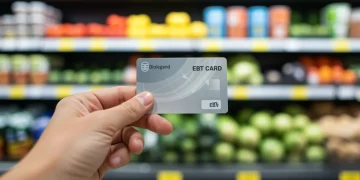
The Electronic Benefit Transfer (EBT) card is the primary method for delivering SNAP benefits. Innovations in this area could include enhanced security features, integration with mobile payment apps, or partnerships with retailers for loyalty programs. The goal would be to make EBT cards even more convenient and secure for beneficiaries.
Challenges of Digital Transformation
While modernization offers many benefits, it also presents challenges. The digital divide remains a significant concern, as not all beneficiaries have reliable internet access, smartphones, or the digital literacy needed to navigate complex online systems. Policymakers and administrators will need to ensure that technological advancements do not inadvertently create new barriers to access for vulnerable populations. Training and support for digital tools will be critical.
The Role of Advocacy and Community Engagement in Shaping SNAP Benefits 2026
The future of SNAP Benefits 2026 will not be determined solely by legislators and administrators. The voices of beneficiaries, advocates, and community organizations play a crucial role in shaping policy debates and influencing outcomes. Grassroots movements and national advocacy groups are powerful forces in highlighting the real-world impact of SNAP policies and pushing for reforms that prioritize food security.
Advocacy Organizations and Their Impact
Organizations like Feeding America, the Food Research and Action Center (FRAC), and local anti-hunger coalitions are continuously working to inform the public, lobby lawmakers, and support SNAP recipients. They conduct research, publish reports, and organize campaigns to ensure that the needs of food-insecure individuals are heard at all levels of government. Their efforts are particularly vital during Farm Bill reauthorization cycles.
Beneficiary Stories and Testimonials
Personal stories from SNAP recipients are incredibly powerful in humanizing the program and demonstrating its importance. Sharing experiences can help policymakers understand the real-life implications of their decisions, moving beyond abstract statistics to the individual and family struggles that SNAP helps alleviate. Platforms for sharing these stories, whether through direct testimony, media outreach, or social media campaigns, will be essential.
Community-Led Initiatives
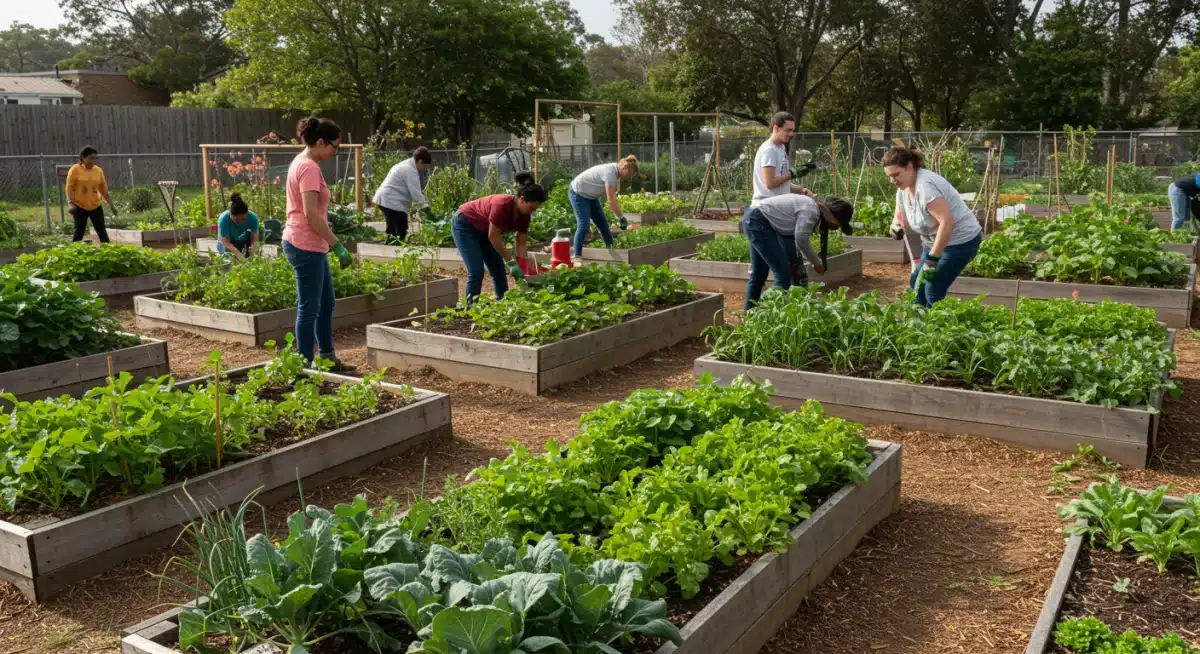
Beyond national advocacy, local community-led initiatives also contribute significantly. These can include community gardens, food cooperatives, educational workshops on nutrition and budgeting, and programs that help individuals apply for benefits. These localized efforts not only provide direct support but also build a stronger community voice for policy changes.
Conclusion: Navigating the Future of SNAP Benefits 2026
The landscape of SNAP Benefits 2026 is poised for evolution, influenced by ongoing legislative debates, economic shifts, and technological advancements. While the core mission of providing food assistance will remain, the specific mechanisms, eligibility criteria, and benefit levels are all subject to change. For the millions of Americans who rely on this vital program, understanding these potential shifts and preparing proactively is not just beneficial, but essential.
By staying informed through official channels, meticulously managing personal records, understanding state-specific rules, and engaging with local support networks, beneficiaries can navigate the future with greater confidence. Furthermore, active participation in advocacy efforts and leveraging personal stories can contribute to shaping a more equitable and effective SNAP program for years to come. The goal is not just to react to changes but to actively prepare for them, ensuring that the safety net remains strong and accessible for those who need it most.
As we move towards SNAP Benefits 2026, the collective effort of policymakers, administrators, advocates, and beneficiaries will determine the program’s trajectory. By fostering open dialogue, prioritizing the needs of vulnerable populations, and embracing innovations that enhance accessibility and efficiency, we can work towards a future where food insecurity is minimized, and all Americans have access to the nutritious food they need to thrive.