2026 Higher Education Act: What Students & Parents Need to Know

Understanding the 2026 Higher Education Reauthorization Act: What Students and Parents Need to Know Now
As the academic landscape continually evolves, so too do the policies that govern it. One of the most significant pieces of legislation impacting postsecondary education in the United States is the Higher Education Act (HEA). Periodically reauthorized by Congress, the HEA shapes everything from financial aid programs to institutional accountability. With the next reauthorization, the Higher Education Act 2026, looming on the horizon, students, parents, and educators alike are looking ahead to understand the potential shifts and their implications.
The reauthorization process is complex, often taking years of debate, negotiation, and amendment. Historically, these reauthorizations have brought about monumental changes that have redefined access to higher education, the structure of student financial aid, and the responsibilities of colleges and universities. For anyone currently planning for college, attending an institution, or repaying student loans, understanding the potential trajectory of the Higher Education Act 2026 is not just beneficial—it’s essential.
This comprehensive guide aims to demystify the upcoming reauthorization. We will explore the historical context of the HEA, delve into the key areas likely to see reform, discuss the potential impact on students and parents, and provide actionable advice to prepare for these changes. From Pell Grants to student loan repayment, and from institutional accountability to workforce development, the Higher Education Act 2026 has the potential to reshape the future of higher education for millions.
The Historical Context of the Higher Education Act
To truly grasp the significance of the Higher Education Act 2026, it’s crucial to understand its origins and evolution. First enacted in 1965 as part of President Lyndon B. Johnson’s Great Society initiatives, the HEA was designed to strengthen the educational resources of our colleges and universities and to provide financial assistance for students in postsecondary education. Its initial aim was to broaden access to higher education, particularly for low-income and minority students, by establishing federal student aid programs.
Over the decades, the HEA has undergone numerous reauthorizations, each reflecting the changing needs and priorities of society. Key reauthorizations include:
- 1972 Amendments: Established the Pell Grant program, a cornerstone of federal student aid, and created the Student Loan Marketing Association (Sallie Mae).
- 1992 Reauthorization: Expanded eligibility for federal student aid, created the Federal Direct Student Loan Program, and introduced income-contingent repayment plans.
- 1998 Reauthorization: Focused on improving teacher preparation programs, expanding distance learning opportunities, and simplifying the financial aid application process.
- 2008 Reauthorization (Higher Education Opportunity Act – HEOA): Emphasized consumer information, college affordability, and accountability for institutions. It also introduced new loan terms and expanded financial literacy requirements.
Each reauthorization has been a battleground for competing interests, balancing the needs of students, institutions, taxpayers, and the economy. The upcoming Higher Education Act 2026 will be no different, facing contemporary challenges such as escalating college costs, student debt crises, and the demand for a skilled workforce.
Key Areas of Focus for the 2026 Reauthorization
While the final details of the Higher Education Act 2026 are yet to be determined, discussions among policymakers, educational stakeholders, and advocacy groups point to several critical areas that are likely to be at the forefront of the reauthorization debate. These areas reflect ongoing concerns about college affordability, access, quality, and the effectiveness of current federal programs.
1. Federal Student Financial Aid Programs
The heart of the HEA lies in its federal student aid programs. The Higher Education Act 2026 is expected to scrutinize and potentially reform these programs extensively. Key considerations include:
- Pell Grants: There’s widespread bipartisan support for strengthening Pell Grants, which are need-based grants that do not need to be repaid. Discussions may include increasing the maximum award, expanding eligibility to more students, and potentially adjusting the grant for inflation or Cost of Living Adjustments (COLA). Expanding Pell Grant eligibility to short-term, high-quality programs is also a strong possibility, aiming to address workforce demands.
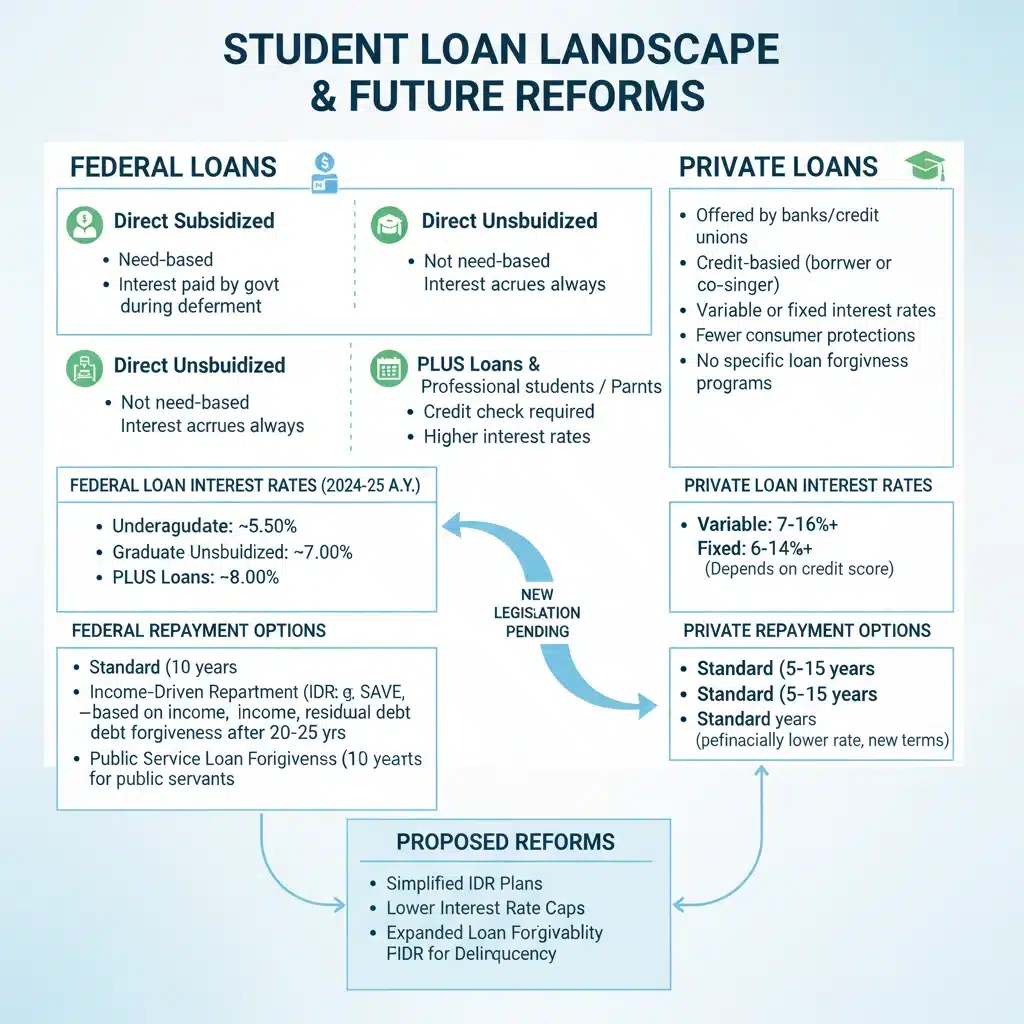
- Federal Student Loans: The federal student loan system is a perennial topic of debate. The Higher Education Act 2026 could see significant changes to loan limits, interest rates, and the types of loans available (e.g., Stafford, PLUS loans). Simplification of the loan application and disbursement process is also a likely goal.
- Work-Study and Supplemental Grants: Programs like Federal Work-Study and Federal Supplemental Educational Opportunity Grants (FSEOG) provide crucial support. The reauthorization might explore ways to increase funding for these programs or modify their distribution to better serve institutional and student needs.
For students and parents, any changes in these programs directly impact the cost of college and the availability of financial assistance. Staying informed about these potential reforms is vital for financial planning.
2. College Affordability and Cost Containment
The skyrocketing cost of college tuition and fees has been a major concern for decades. The Higher Education Act 2026 is anticipated to include provisions aimed at making higher education more affordable and holding institutions accountable for price increases. Potential measures could include:
- Tuition Control Incentives: Congress might consider linking federal funding to institutions’ efforts to control tuition increases, perhaps through performance-based funding models or incentives for colleges that keep costs down.
- Transparency in Pricing: Enhanced requirements for colleges to be more transparent about their true costs, including net price calculators and clearer disclosure of financial aid packages, could be part of the new act.
- Innovative Models: Support for alternative pathways to degrees, such as competency-based education, online learning, and micro-credentials, might be encouraged to provide more flexible and potentially less expensive options.
These measures, if enacted, could fundamentally alter how colleges set their prices and how students and families evaluate their investment in higher education.
3. Student Loan Repayment and Debt Relief
The national student debt crisis is an undeniable challenge, and the Higher Education Act 2026 is expected to address it head-on. Discussions will likely revolve around simplifying and improving existing repayment options and potentially introducing new mechanisms for debt relief.
- Income-Driven Repayment (IDR) Plans: There’s a strong push to simplify IDR plans, making them easier to understand and enroll in, and ensuring they provide a clearer path to loan forgiveness. The current array of IDR plans can be confusing, leading to low enrollment and missed opportunities for borrowers.
- Public Service Loan Forgiveness (PSLF): The PSLF program has faced significant challenges and criticism. The Higher Education Act 2026 could see reforms aimed at streamlining eligibility, simplifying the application process, and ensuring more borrowers receive the forgiveness they are entitled to.
- Loan Refinancing and Interest Rate Adjustments: While less likely to be a universal provision, there may be discussions about allowing borrowers to refinance federal loans at lower interest rates or capping interest rates for future loans.
For current and future borrowers, changes in these areas could offer much-needed relief and a clearer path to managing student debt.

4. Institutional Accountability and Quality Assurance
Ensuring that colleges provide value for money and prepare students for successful careers is a critical aspect of the HEA. The Higher Education Act 2026 will likely strengthen provisions related to institutional accountability.
- Accreditation Reform: The role of accreditors, who are responsible for ensuring educational quality, may be revisited. This could involve stricter standards for accreditation agencies or more direct federal oversight.
- Outcomes-Based Metrics: There’s a growing interest in using outcomes-based metrics—such as graduation rates, job placement rates, and student earnings—to evaluate institutional performance and potentially tie federal funding to these outcomes.
- Consumer Information: Further enhancements to data collection and public reporting about institutional performance, student outcomes, and debt levels are anticipated, empowering students and families to make more informed choices.
These reforms aim to weed out predatory institutions and ensure that federal aid supports programs that genuinely benefit students and the economy.
5. Workforce Development and Career Pathways
Aligning higher education with workforce needs is a growing priority. The Higher Education Act 2026 is expected to emphasize programs that prepare students for in-demand jobs and facilitate smoother transitions from education to employment.
- Skills-Based Training: Increased support for skills-based training, apprenticeships, and industry-recognized certifications, potentially through expanded Pell Grant eligibility for shorter-term programs.
- Employer Partnerships: Incentives for colleges to partner more closely with employers to develop relevant curricula and provide experiential learning opportunities.
- Career Counseling: Strengthening career counseling services and resources within institutions to help students explore career paths and connect with job opportunities.
This focus reflects a broader national effort to ensure that higher education serves as a strong pipeline for a skilled workforce, addressing labor market demands.
Potential Impact on Students and Parents
The changes introduced by the Higher Education Act 2026 will have a tangible impact on students and parents at various stages of their educational journey. Understanding these potential effects can help families plan more effectively.
For Prospective Students and Their Parents:
- Financial Aid Landscape: The availability and generosity of Pell Grants could change, potentially reducing the need for loans for some students. However, changes to loan programs could also alter borrowing limits or interest rates.
- College Choice: Increased transparency in college costs and outcomes might make it easier to compare institutions and choose programs that offer the best value and career prospects.
- Alternative Pathways: A greater emphasis on skills-based training and shorter-term programs could open up new, more affordable educational options that lead directly to employment.
For Current College Students:
- Loan Repayment: Students currently accruing debt might benefit from simplified income-driven repayment plans or improved PSLF access once they graduate.
- Access to Support: Depending on institutional changes, students might see enhanced career services, academic support, or financial literacy resources.
For Student Loan Borrowers:
- Repayment Options: The Higher Education Act 2026 could provide significant relief or simplification for those struggling with student loan debt, particularly through reforms to IDR and PSLF.
- Long-Term Planning: A clearer, more predictable student loan system could help borrowers plan their financial futures with greater certainty.
The overarching goal of many proposed reforms is to make higher education more accessible, affordable, and valuable. While the specifics are still being ironed out, these potential impacts highlight the importance of staying informed.
How to Prepare for the Higher Education Act 2026
Given the potential for significant shifts, proactive preparation is key for students and parents. Here are some actionable steps you can take:
1. Stay Informed and Engaged
The legislative process for the Higher Education Act 2026 will unfold over the coming months and years. Follow reputable news sources, educational policy organizations, and government websites (like the Department of Education) for updates. Consider signing up for newsletters from advocacy groups that focus on higher education policy.
2. Understand Current Financial Aid Options
Before any changes from the Higher Education Act 2026 take effect, familiarize yourself with the existing federal student aid programs. Understand how Pell Grants, federal student loans, and work-study programs currently operate. This baseline knowledge will help you identify what changes are most impactful.
- Complete the FAFSA: Even if you are unsure about future aid, completing the Free Application for Federal Student Aid (FAFSA) annually is crucial. It’s the gateway to most federal, state, and institutional aid.
- Research Scholarship Opportunities: Don’t solely rely on federal aid. Explore private scholarships, institutional grants, and local awards to supplement your college funding.
3. Plan for College Costs Strategically
Regardless of what the Higher Education Act 2026 brings, strategic financial planning remains paramount.
- Save Aggressively: Utilize 529 plans or other savings vehicles to build a college fund. Every dollar saved is a dollar less borrowed.
- Consider All Options: Explore community colleges, in-state public universities, and vocational programs as potentially more affordable pathways.
- Budget for the Unexpected: College costs extend beyond tuition. Factor in living expenses, books, supplies, and personal expenses.
4. Evaluate Student Loan Repayment Scenarios
If you are a current borrower or anticipate taking out loans, understand the current repayment options. Familiarize yourself with income-driven repayment plans and the Public Service Loan Forgiveness program. This knowledge will help you assess how potential reforms from the Higher Education Act 2026 might benefit you.
5. Advocate for Your Interests
As a student or parent, your voice matters. Contact your elected officials to share your concerns and priorities regarding higher education policy. Educational advocacy groups often provide resources and platforms for individuals to engage in the legislative process.
The Broader Implications of the Higher Education Act 2026
Beyond the direct impact on financial aid and student loans, the Higher Education Act 2026 has broader implications for the entire higher education ecosystem and the nation as a whole. Its provisions will influence:
- Economic Competitiveness: A well-educated workforce is essential for national economic growth. Reforms that improve access to quality education and align it with workforce needs can bolster the country’s competitive edge.
- Social Mobility: Higher education has historically been a powerful engine for social mobility. The Higher Education Act 2026 has the potential to either strengthen or weaken this engine, depending on how effectively it addresses disparities in access and affordability.
- Innovation and Research: Federal funding for research and development often flows through higher education institutions. The act could influence the capacity of universities to conduct groundbreaking research and foster innovation.
- Equity and Access: A core mission of the HEA has always been to ensure equitable access to higher education for all Americans, regardless of their socioeconomic background. The Higher Education Act 2026 will be judged on its ability to advance this critical goal, particularly for underserved populations.
The debates surrounding the Higher Education Act 2026 are not just about policy; they are about the future direction of American society and economy. They reflect fundamental questions about who should pay for college, what role the government should play, and what kind of education best prepares individuals for life and work in the 21st century.
Conclusion: Navigating the Future of Higher Education
The reauthorization of the Higher Education Act in 2026 is poised to be a landmark event with far-reaching consequences for millions of students, parents, and educational institutions across the United States. From the structure of federal financial aid to the accountability of colleges and the management of student debt, the Higher Education Act 2026 will undoubtedly shape the landscape of postsecondary education for years to come.
While the specifics are still being debated and drafted, the themes of affordability, access, accountability, and workforce alignment are central to the discussions. For students and parents navigating the complex world of college planning and financing, staying informed is not merely a recommendation; it is a necessity. By understanding the potential changes to Pell Grants, student loan programs, and institutional expectations, families can make more informed decisions, adapt their strategies, and advocate for policies that best serve their interests.
The journey through higher education is a significant investment, both personally and financially. The Higher Education Act 2026 offers an opportunity to refine and improve the systems that support this journey. By engaging with the process, understanding the potential reforms, and preparing proactively, students and parents can better position themselves for success in the evolving world of higher education.