Veterans’ Benefits in 2025: Healthcare & Housing Updates
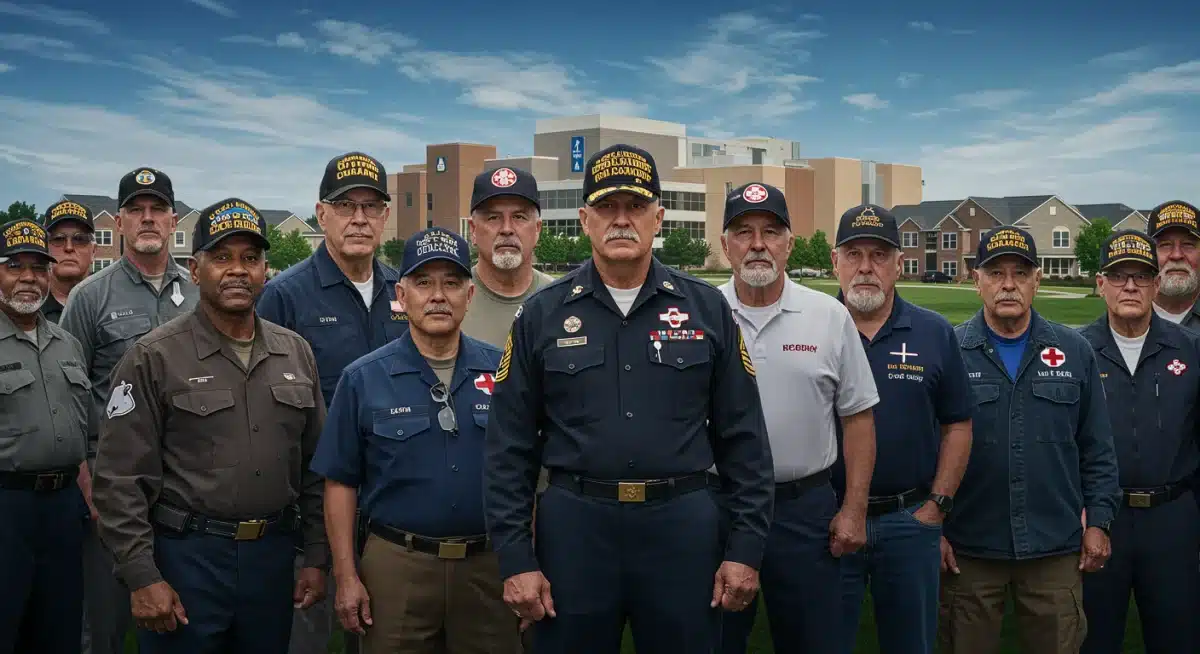
Veterans’ benefits in 2025 are poised for significant enhancements, particularly in healthcare access and housing assistance programs, reflecting ongoing efforts to improve support for those who have served the nation.
As we look towards 2025, understanding the evolving landscape of veterans benefits 2025 is crucial for ensuring our service members receive the support they deserve. This article delves into the anticipated changes, focusing specifically on healthcare and housing assistance, two pillars vital for the well-being and stability of veterans across the United States.
Anticipated Enhancements in VA Healthcare Services
The Department of Veterans Affairs (VA) continuously strives to improve the quality and accessibility of healthcare for veterans. In 2025, several key enhancements are expected to roll out, building upon recent legislative efforts and technological advancements. These changes aim to address long-standing challenges such as appointment wait times, specialized care access, and mental health support.
One primary focus is the expansion of telehealth services. The pandemic accelerated the adoption of virtual care, and the VA is committed to integrating these capabilities more deeply into its system. This means more veterans, especially those in rural or underserved areas, will have easier access to general medical appointments, mental health counseling, and even some specialized consultations from the comfort of their homes.
Expanding Mental Health Support
Mental health remains a critical area of focus for veteran care. In 2025, the VA is expected to introduce new programs and expand existing ones to combat issues like PTSD, depression, and suicide among veterans. This includes increased funding for community-based mental health initiatives and a greater emphasis on peer support programs.
- Integrated Care Models: Promoting a holistic approach where mental health services are seamlessly integrated with primary care.
- Tele-mental Health Expansion: Further increasing access to virtual therapy and psychiatric services, reducing geographical barriers.
- Peer Support Networks: Strengthening programs that connect veterans with shared experiences for mutual support and recovery.
- Suicide Prevention Initiatives: Enhanced outreach and crisis intervention services to reduce veteran suicide rates.
Specialized Care and Innovative Treatments
Access to specialized care, particularly for conditions prevalent among veterans such as traumatic brain injury (TBI) and exposure-related illnesses, is also slated for improvement. The VA is investing in research and development to bring cutting-edge treatments and therapies to veterans. This includes partnerships with leading medical institutions and the implementation of advanced diagnostic tools.
For instance, there’s a growing push for personalized medicine approaches, tailoring treatments to individual veterans based on their genetic profile and specific health needs. This move towards precision healthcare promises more effective and less invasive interventions, ultimately leading to better health outcomes for veterans.
Overall, the 2025 outlook for VA healthcare is one of continued growth and adaptation. The emphasis on preventative care, mental well-being, and technological integration underscores a commitment to providing comprehensive and compassionate care to those who have served our nation. These anticipated changes reflect a proactive stance to meet the diverse and evolving health needs of the veteran community, ensuring that quality care is not just a promise but a tangible reality.
Updates to Housing Assistance Programs for Veterans
Securing stable and affordable housing is a paramount concern for many veterans, and the VA offers a range of programs designed to assist with this. In 2025, several critical updates are anticipated to further streamline and enhance these housing assistance initiatives, particularly focusing on reducing veteran homelessness and promoting homeownership.
The core of VA housing support lies in programs like the VA Home Loan Guaranty program, which helps eligible veterans purchase homes with favorable terms, and various initiatives aimed at preventing and ending homelessness. The upcoming changes are expected to make these programs more accessible and responsive to the current economic and housing market conditions.
Strengthening the VA Home Loan Guaranty Program
The VA Home Loan Guaranty program is invaluable, offering veterans the opportunity to purchase homes without a down payment and with competitive interest rates. In 2025, there may be legislative adjustments to further simplify the application process and potentially increase loan limits in certain high-cost areas, making homeownership more attainable for a broader range of veterans.
- Streamlined Application: Efforts to digitize and simplify the loan application process, reducing paperwork and processing times.
- Increased Loan Limits: Potential adjustments to loan limits in areas with high housing costs, reflecting market realities.
- Financial Literacy Support: Enhanced resources for veterans to understand the home-buying process and manage their finances effectively.
- Expanded Eligibility: Reviewing eligibility criteria to potentially include more service members and veterans.
Combating Veteran Homelessness
Addressing veteran homelessness remains a top priority. Programs like the Housing and Urban Development-VA Supportive Housing (HUD-VASH) are instrumental in providing housing vouchers and supportive services to homeless veterans and their families. In 2025, these programs are expected to receive increased funding and expanded outreach efforts.
There’s also a strong emphasis on preventative measures, such as providing emergency financial assistance and legal aid to veterans at risk of losing their homes. The goal is not just to house homeless veterans but to provide them with the comprehensive support systems needed for long-term stability and success.
The anticipated updates to housing assistance programs in 2025 underscore a commitment to ensuring every veteran has a safe and stable place to call home. By enhancing existing programs and introducing new supportive measures, the VA aims to significantly reduce veteran homelessness and empower more veterans to achieve the dream of homeownership, contributing to their overall well-being and reintegration into civilian life.
Impact of Legislative Changes on Veterans’ Benefits
Legislative action plays a pivotal role in shaping the scope and availability of veterans’ benefits. As 2025 approaches, several proposed and enacted laws are set to influence healthcare and housing assistance. Understanding these legislative changes is key to comprehending the full picture of veterans benefits 2025.
Recent years have seen bipartisan support for expanding veterans’ care, particularly concerning toxic exposure and mental health. These legislative trends are expected to continue, leading to tangible improvements in how benefits are administered and accessed. The focus is often on streamlining processes and ensuring equity across different veteran populations.
The Promise to Address Toxic Exposure
The PACT Act of 2022 significantly expanded eligibility for VA healthcare and benefits for veterans exposed to burn pits, Agent Orange, and other toxic substances. In 2025, the full implementation of this act will continue to unfold, affecting a large cohort of veterans.
This includes processing a greater volume of claims related to presumptive conditions and ensuring that healthcare providers are adequately trained to recognize and treat illnesses linked to toxic exposure. The long-term impact will be a more comprehensive and inclusive system of care for those who suffered health consequences from their service.
Budgetary Allocations and Future Spending
The federal budget for veteran affairs will directly impact the scale and reach of benefits programs in 2025. Discussions around funding levels for healthcare, housing, and other support services are ongoing, with advocates pushing for increased allocations to meet the growing needs of the veteran community.
Anticipated budgetary increases could translate into more resources for staffing VA medical centers, expanding housing initiatives, and investing in new technologies. These financial commitments are crucial for sustaining and improving the quality of services offered to veterans.
Ultimately, the legislative landscape in 2025 points towards a continued effort to strengthen and expand veterans’ benefits. By addressing the health consequences of service, particularly toxic exposure, and ensuring robust funding, policymakers are striving to create a more responsive and supportive system for all who have honorably served. These legislative acts are not just laws; they are commitments to the well-being of our nation’s heroes.
Navigating Eligibility and Application Processes
Understanding the eligibility criteria and the application process for veterans’ benefits can often be complex and daunting. In 2025, while efforts are underway to simplify these procedures, veterans will still need clear guidance to successfully access healthcare and housing assistance. Knowing what documentation is required and where to seek help is paramount.
The VA aims to make information more accessible through digital platforms and community outreach. However, the onus often falls on the veteran to initiate the process and provide the necessary proofs of service and medical conditions. Staying informed about the latest requirements and deadlines will be essential.
Key Documents and Information Required
When applying for VA healthcare or housing benefits, veterans typically need to provide a range of documents. These include their DD214 (Certificate of Release or Discharge from Active Duty), medical records, and financial information. For specific conditions or programs, additional documentation might be necessary.
- DD214: Essential for verifying service and discharge status.
- Medical Records: Crucial for disability claims and demonstrating health needs.
- Financial Statements: May be required for means-tested programs or housing assistance.
- Marriage/Birth Certificates: For dependent benefits or family housing support.
Resources for Application Assistance
Veterans are not expected to navigate the application process alone. Numerous resources are available to provide assistance, including Veteran Service Organizations (VSOs) like the American Legion and Veterans of Foreign Wars (VFW), as well as VA benefits counselors. These organizations offer free guidance and support, helping veterans prepare and submit their claims accurately.
The VA’s official website also provides detailed instructions and online application portals. Utilizing these resources can significantly reduce the complexity and stress associated with applying for benefits, ensuring that veterans receive the assistance they are entitled to without unnecessary delays.
Navigating the eligibility and application processes for veterans benefits 2025 requires diligence and access to reliable information. By understanding the necessary documentation and leveraging the available support from VSOs and the VA, veterans can confidently pursue the healthcare and housing assistance they need. These resources are designed to empower veterans, making the path to receiving their earned benefits clearer and more manageable.
Community and Non-Profit Support Systems
Beyond federal programs, a robust network of community organizations and non-profits plays a crucial role in complementing veterans’ benefits 2025, especially in areas of healthcare and housing. These organizations often fill gaps, provide immediate assistance, and offer specialized support that might not be available through government channels alone.
These groups are vital for providing local resources, tailored programs, and a sense of community for veterans. Their efforts range from emergency financial aid to long-term transitional housing and specialized therapeutic services, forming a critical safety net for those who have served.
Local Initiatives for Veteran Housing
Many non-profit organizations focus specifically on veteran housing, offering solutions that range from temporary shelters to permanent affordable housing projects. These initiatives often work in conjunction with the VA, providing wrap-around services that address the unique challenges veterans face, such as employment assistance and mental health counseling.
For example, some organizations specialize in renovating homes for disabled veterans, ensuring accessibility and comfort. Others provide rental assistance or help veterans navigate the complex process of securing stable housing in competitive markets. These local efforts are indispensable in the fight against veteran homelessness.
Health and Wellness Programs by Non-Profits
In the realm of healthcare, non-profits often provide complementary services that enhance the care veterans receive from the VA. This can include specialized therapies not fully covered by VA benefits, alternative wellness programs, or support groups focused on specific conditions like traumatic brain injury or moral injury.
- Therapeutic Recreation: Programs like adaptive sports or outdoor adventures for physical and mental rehabilitation.
- Alternative Therapies: Offering acupuncture, yoga, or mindfulness practices to manage pain and stress.
- Caregiver Support: Providing resources and respite for family members caring for disabled veterans.
- Emergency Medical Funds: Assisting with unexpected medical expenses or transportation to appointments.
The synergy between federal benefits and community-based support systems creates a more comprehensive and responsive safety net for veterans. These non-profit and local initiatives are crucial for filling voids, providing personalized care, and fostering a sense of belonging and continued support for veterans as they navigate life after service. Their work is a testament to the community’s enduring commitment to those who have sacrificed for our nation.
Future Outlook and Advocacy for Veterans’ Rights
Looking beyond 2025, the future of veterans’ benefits will continue to be shaped by ongoing advocacy efforts and evolving societal needs. The landscape of support for veterans is not static; it is constantly influenced by research, policy debates, and the collective voice of the veteran community and their advocates. This continuous evolution aims to address emerging challenges and ensure that benefits remain relevant and effective.
Advocacy groups play a critical role in highlighting areas where improvements are needed and pushing for legislative changes that benefit veterans. Their work often focuses on long-term systemic issues, ensuring that future generations of veterans receive adequate care and support.
Emerging Challenges and Solutions
As the veteran population changes, new challenges emerge. For instance, the aging veteran population requires increased focus on geriatric care and long-term support services. Simultaneously, younger veterans face distinct issues related to reintegration into civilian life, employment, and the psychological impacts of modern warfare.
Innovative solutions, such as technology-driven support networks and specialized career training programs, are constantly being developed to meet these diverse needs. The VA, in collaboration with external partners, is exploring ways to proactively address these challenges rather than reactively responding to them.
The Role of Veteran Advocacy Groups
Veteran advocacy groups are instrumental in driving policy changes and ensuring accountability. Organizations like Disabled American Veterans (DAV) and Paralyzed Veterans of America (PVA) actively lobby Congress, conduct research, and raise public awareness about critical veteran issues. Their efforts are pivotal in securing funding and legislative support for vital programs.
- Policy Influence: Advocating for new laws and amendments to existing legislation to expand and improve benefits.
- Public Awareness: Educating the public about the sacrifices and needs of veterans.
- Resource Mobilization: Connecting veterans with essential services and support networks.
- Accountability: Holding government agencies responsible for the effective delivery of benefits.
The future outlook for veterans benefits 2025 and beyond is one of dynamic adaptation and continuous improvement. Through sustained advocacy, responsive policymaking, and innovative program development, the goal is to build an even more robust and equitable system of support for all veterans. This forward-looking approach ensures that the nation’s commitment to its service members remains strong and evolves with their needs.
Preparing for Changes: A Veteran’s Checklist for 2025
With the anticipated changes in veterans benefits 2025, it’s essential for veterans and their families to proactively prepare. Staying informed and organized can make a significant difference in successfully accessing new or updated healthcare and housing assistance programs. A systematic approach ensures that you don’t miss out on any entitled benefits.
Preparation involves more than just reading about changes; it means actively engaging with VA resources, updating personal information, and seeking expert advice. This proactive stance will help veterans navigate the evolving landscape of benefits with greater ease and confidence.
Staying Informed and Updating Records
The first step in preparing for changes is to stay continuously informed. Regularly check the official VA website, subscribe to newsletters from veteran service organizations, and attend community briefings. Equally important is ensuring that all your personal and service records with the VA are accurate and up-to-date.
This includes contact information, marital status, dependent information, and any new medical diagnoses or conditions. Outdated records can cause delays in processing claims or receiving important communications regarding new benefits.
Consulting with Experts and Planning Ahead
Engaging with VA benefits counselors or representatives from Veteran Service Organizations (VSOs) is invaluable. These experts can provide personalized advice, clarify eligibility requirements, and assist with the application process for new or modified benefits. They can often anticipate potential issues and help you prepare accordingly.
- Review your current benefits: Understand what you are already receiving and how new changes might affect them.
- Identify potential new benefits: Research any new programs or expanded eligibility that might apply to your situation.
- Gather necessary documentation: Start collecting any updated medical records or service documents that may be required.
- Seek professional advice: Consult with a VA benefits counselor or VSO representative for personalized guidance.
By taking these preparatory steps, veterans can effectively position themselves to take full advantage of the improved healthcare and housing assistance programs in 2025. Proactive engagement with available resources and a diligent approach to record-keeping will ensure a smoother transition and optimal access to the benefits earned through their service.
| Key Aspect | 2025 Outlook |
|---|---|
| Healthcare Access | Expanded telehealth, enhanced mental health support, specialized care for toxic exposure. |
| Housing Assistance | Streamlined VA Home Loans, increased funding for homelessness prevention, local initiatives. |
| Legislative Impact | Full implementation of PACT Act, potential budgetary increases for veteran services. |
| Application Process | Emphasis on digital access, continued support from VSOs for guidance and claim submission. |
Frequently Asked Questions About 2025 Veterans’ Benefits
In 2025, VA healthcare is set to expand telehealth services significantly, enhance mental health support programs, and improve specialized care access, particularly for conditions related to toxic exposure. These changes aim to make care more accessible and comprehensive for veterans across the U.S.
Expected changes in housing assistance for 2025 include a streamlined VA Home Loan Guaranty program, potentially increased loan limits, and expanded funding for initiatives aimed at preventing and ending veteran homelessness. Community non-profits will also play a larger role in local housing solutions.
Yes, the full implementation of the PACT Act will continue to unfold in 2025, expanding eligibility for VA healthcare and benefits for veterans exposed to toxic substances. This means more claims related to presumptive conditions will be processed, offering broader support.
Veterans can find assistance with benefit applications through various resources, including Veteran Service Organizations (VSOs) like the American Legion and VFW, as well as VA benefits counselors. The official VA website also provides detailed instructions and online portals for applications.
Non-profit organizations will continue to be crucial in 2025, complementing federal benefits by offering local housing initiatives, specialized health and wellness programs, and emergency aid. They fill gaps in services and provide tailored support for veterans and their families.
Conclusion
The year 2025 promises a significant evolution in veterans’ benefits, particularly in the critical areas of healthcare and housing assistance. From expanded telehealth options and enhanced mental health support to streamlined housing programs and robust legislative backing, the commitment to our nation’s veterans remains strong. By staying informed, leveraging available resources, and actively engaging with both federal and community support systems, veterans can effectively navigate these changes and continue to receive the comprehensive care and assistance they have earned through their invaluable service.