modern school safety initiative: quick actions now
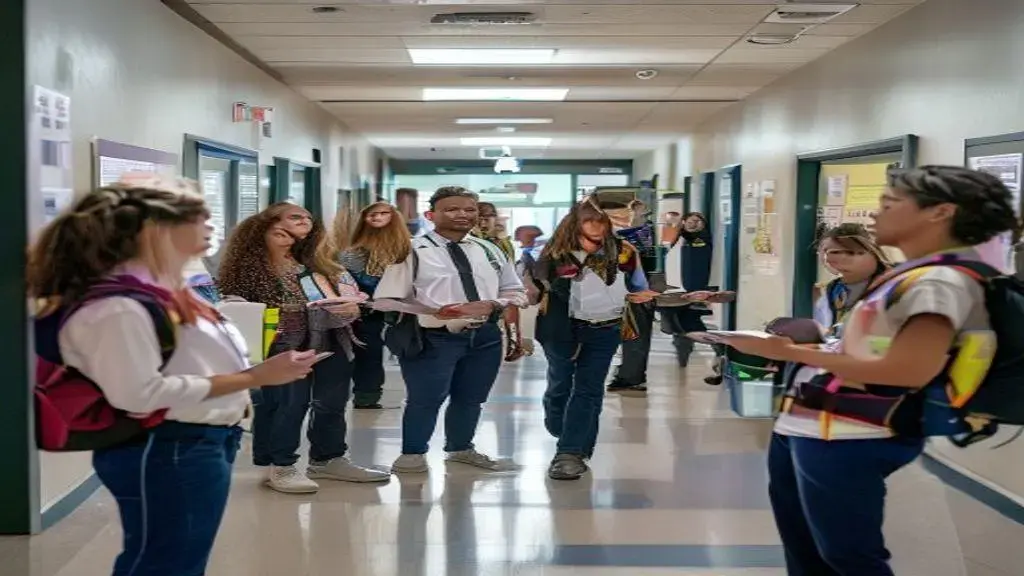
modern school safety initiative establishes prioritized, low-cost campus fixes, clear staff roles, routine drills, responsible technology use, and simple metrics to reduce risks, secure funding, and maintain community trust through transparent plans and assigned owners.
modern school safety initiative might sound like another checklist, but small, focused changes often prevent real harm. Curious which low-cost steps make the biggest difference in your district? This article explores practical, tested moves you can start discussing today.
assessing current safety gaps and vulnerabilities
modern school safety initiative begins by finding what is missing or broken in your current setup. A clear, simple scan shows quick wins and deeper needs.
Use plain checks and short interviews. Smart, small steps lead to better protection for students and staff.
physical and environmental checks
Walk the campus with a map. Note entry points, sight lines, and common gathering spots.
- Inspect locks, doors, and entry hardware for proper function.
- Look for blind spots, poor lighting, and cluttered paths.
- Check signage, fencing, and visitor flow for clarity.
- Verify emergency exits and first responder access are unobstructed.
Pay attention to patterns of movement. Where people pause or crowd, risks rise. Fixing one bad light or a broken lock can cut risk fast.
policies, drills, and data review
Review written plans, drill logs, and incident reports. See what was done and what changed afterward.
Talk with staff about their confidence in current procedures. Ask students and families about their concerns.
- Confirm roles: who does what during an emergency.
- Check drill frequency and whether feedback was used.
- Gather incident and near-miss data for patterns.
- Record findings in a simple, shared log.
Combine records with interviews to spot hidden gaps. Data alone misses context; people add what numbers cannot show.
prioritizing fixes and assigning owners
Rank gaps by impact and ease of fix. Start with high-impact, low-cost items.
- Immediate: lighting repairs, door maintenance, clearer signs.
- Short-term: updated visitor checks and staff refreshers.
- Long-term: layout changes, new access control, capital projects.
Create a short action list with owners and dates. Share it with staff and families to build trust and keep momentum.
Plan regular re-checks. A steady cycle of review and repair keeps the campus safer over time.
practical campus measures: access control, drills and environmental design
modern school safety initiative practical steps focus on making the campus harder to access for threats and easier to manage in a crisis. Simple changes often have big effects.
Start with visible controls, routine drills, and smart site tweaks that reduce risk and help people act fast.
access control and visitor management
Limit entry points and make the main entrance clear and staffed. A single, monitored entry cuts confusion.
- Use a staffed reception or secure vestibule for visitor screening.
- Implement clear badge or sign-in procedures for all guests.
- Maintain functioning locks and controlled access to sensitive areas.
- Place clear signage to guide visitors and reduce wandering.
Train staff on the check-in routine so it becomes second nature. Consistent practice reduces delays during real events.
drills and routine training
Run short, varied drills that match real daily flows. Make them realistic but calm, then debrief in 10 minutes.
Include staff, students, and support teams. Rotate scenarios so people know several responses, not just one script.
Use simple role cards and clear communication channels. Keep expectations plain: who leads, who calls 911, who checks classrooms.
environmental design and low-cost fixes
Small design choices shape behavior and visibility. Good sight lines and lighting reduce hidden spots and increase safety.
- Improve exterior and pathway lighting, especially near entrances.
- Trim landscaping that blocks views of walkways or doors.
- Arrange benches, trash cans, and bike racks to avoid crowding near exits.
- Add window visibility or mirrors in blind corners where needed.
Combine these tweaks with scheduled maintenance to keep fixes effective over time. A tidy, well-lit campus feels safer and is safer.
Focus on quick wins first: fix locks, clarify visitor flow, run a tabletop drill, and repair lights. Assign clear owners for each task and set short review dates to keep momentum and build trust.
training and communication: staff, students and families
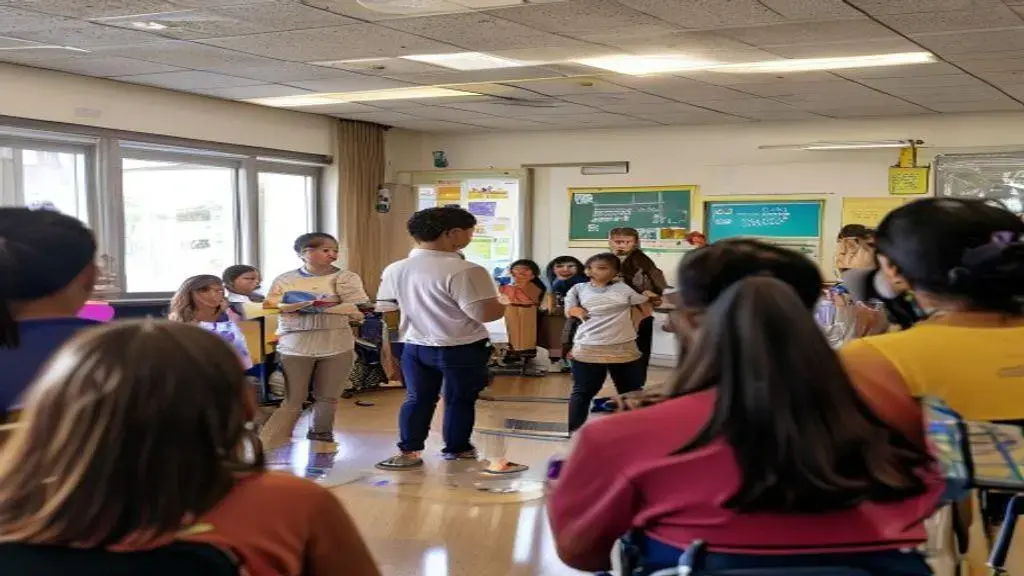
modern school safety initiative training blends clear roles with simple practice so staff, students, and families know what to do. Good communication makes plans work under stress.
Keep sessions short, use real tasks, and check that everyone understands the basic steps.
staff roles and quick drills
Define who leads, who locks doors, who checks classrooms, and who talks to responders. Clarity reduces confusion in a tense moment.
- Run short, role-focused drills once a month to build muscle memory.
- Use simple checklists so each staff member knows key actions.
- Practice communication: who calls 911 and who updates families.
- Debrief after drills to capture lessons and adjust procedures.
Keep training realistic but calm. Small, repeated practices beat long, rare sessions. Rotate duties so backup staff also know the steps.
student instruction that sticks
Teach students simple, age-appropriate actions. Use clear language and repeat often.
Mix short practice with stories and role play to help memory. Ask students to show what they learned in class.
Emphasize calm movement, listening to adults, and following designated routes. Praise correct actions to reinforce behavior.
family communication and community buy-in
Share the plan with families in plain language and multiple formats. Make the steps easy to find and follow.
- Send quick guides after drills and note what changed.
- Host short family meetings to walk through procedures and answer questions.
- Provide translations and multiple contact methods for broad reach.
- Invite family feedback and volunteer roles to build trust.
Consistent, honest updates reduce fear and help families support school actions. Use the same simple words across staff and family messages to avoid mixed signals.
Train, practice, and communicate in small, steady steps. Assign owners for each task and review progress regularly so the modern school safety initiative becomes part of daily school life.
technology and privacy: cameras, alerts and responsible use
modern school safety initiative relies on technology like cameras and alerts, but privacy must stay central. Clear rules make systems useful and fair.
Choose tools that solve real problems, keep data limited, and explain how you use them.
cameras: clear purpose and smart placement
Place cameras where they add safety: entrances, parking lots, and common areas. Avoid private spaces like restrooms and changing rooms.
- Focus on entry points and busy corridors for quick incident review.
- Keep cameras visible to deter harm, but avoid constant close-ups of faces.
- Maintain and test cameras so footage is reliable when needed.
Labels and simple maps help staff know camera coverage. That reduces surprises and builds trust.
alert systems that reach the right people
Design alerts to get fast, clear responses. Use layered channels: radios for staff, PA for the building, and secure texts or apps for families.
Keep messages short and standardized so people know what each alert means. Test regularly and include drills that use the real alert path.
data handling: retention, access and logging
Set a short, clear retention rule for video and alert logs. Keep data only as long as needed for safety or investigations.
- Limit access to authorized staff and log each view.
- Use passwords, role controls, and two-factor authentication.
- Review and delete old footage on schedule to reduce risk.
Simple rules cut confusion. A short policy everyone can read works better than long legal text few read.
Train staff on responsible use. Teach when to view footage, how to share it safely, and how to report misuse. Inform families about the purpose and limits of technology and how it protects students.
Balance is key: use tech to improve safety while guarding privacy, assign clear owners for data, and review policies often so the modern school safety initiative stays effective and trusted.
funding, metrics and sustaining the initiative long-term
modern school safety initiative lasts when money and measurement match real needs. Clear budgets and simple metrics keep the work visible and fundable.
Use small pilots, clear targets, and steady reporting to show progress and win support from families and funders.
funding sources and simple budgeting
Mix funding to reduce risk. Combine district funds with grants and local partners to cover start-up and upkeep.
- Use small pilot budgets to prove impact before scaling.
- Apply for state and federal safety grants and community foundation funds.
- Engage local businesses and PTA for matching or in-kind support.
- Plan for maintenance costs, not just initial purchases.
Break projects into phases. Fund quick wins first so the school shows results and builds trust for larger investments.
what to measure and why it matters
Track simple, actionable metrics that show safety is improving. Avoid long lists that no one reads.
- Drill frequency and average response times.
- Number of completed repairs and maintenance checks.
- Incidents and near-miss reports with trend lines.
- Training completion rates and family satisfaction scores.
Set a baseline, then pick one or two targets for each term. Visual charts help nontechnical stakeholders see progress at a glance.
Automate data collection where possible. A shared spreadsheet or simple dashboard saves time and keeps everyone informed.
sustaining work through roles and routines
Assign owners for each task and link them to the budget cycle. A named person keeps plans alive.
- Make a small safety team with a clear lead and backups.
- Schedule quarterly reviews tied to school board or PTA updates.
- Include safety items in annual budgeting and facility plans.
- Document decisions and dates so turnover does not stall progress.
Regular check-ins turn projects into habits. When duties are clear and tracked, small teams keep momentum without extra cost.
Share short, honest reports with families and funders. Celebrate small wins and explain next steps. That transparency builds long-term support for the modern school safety initiative.
A strong modern school safety initiative pairs quick, low-cost fixes with clear roles and regular practice. Track a few simple measures, secure steady funding, and keep families informed so safety improves and lasts.
FAQ – modern school safety initiative
What is a modern school safety initiative?
A focused program of simple, practical steps—site fixes, training, clear roles, and targeted tech—that improves everyday safety for students and staff.
How can we start with a small budget?
Begin with high-impact, low-cost fixes like lighting and locks, run small pilots, seek grants or PTA support, and show quick wins to attract more funding.
How do we balance technology with student privacy?
Limit camera placement to public areas, set short retention rules, restrict access with logging, and share clear policies with staff and families.
How often should drills and training happen?
Do short, focused staff drills monthly, age-appropriate student practices regularly, and quick debriefs after each drill to capture lessons and improve plans.