2026 Social Security COLA: What a 3.2% Increase Means for You

The projected 2026 Social Security COLA of 3.2% aims to adjust monthly benefits, helping recipients maintain purchasing power against inflation and ensuring financial stability for millions of Americans.
As we advance into 2026, many Americans are keenly anticipating how the upcoming Cost-of-Living Adjustment (COLA) will impact their Social Security benefits. The projected 2026 Social Security COLA of 3.2% is more than just a number; it represents a crucial adjustment designed to help retirees and beneficiaries maintain their purchasing power in an evolving economic landscape. Understanding what this increase entails is vital for effective financial planning and ensuring your monthly benefits adequately support your needs.
Understanding the Social Security COLA Mechanism
The Social Security Cost-of-Living Adjustment (COLA) is an annual increase in benefits designed to offset the effects of inflation. It ensures that the purchasing power of Social Security benefits doesn’t erode over time due to rising prices for goods and services. This adjustment is a critical component of the Social Security program, acting as a safeguard for millions of beneficiaries.
Each year, the Social Security Administration (SSA) determines the COLA based on changes in the Consumer Price Index for Urban Wage Earners and Clerical Workers (CPI-W). This specific index measures the average change over time in the prices paid by urban consumers for a market basket of consumer goods and services. The calculation typically compares the average CPI-W for the third quarter of the current year with the average for the third quarter of the previous year.
How COLA is Calculated
The calculation methodology for COLA is standardized, ensuring transparency and consistency. The SSA looks at the CPI-W from July, August, and September of the current year. If there’s an increase compared to the same period of the last year in which a COLA was determined, that percentage increase is the COLA. If there’s no increase, or a decrease, there’s no COLA for that year, meaning benefits remain unchanged.
- CPI-W Data: The primary driver for COLA, reflecting inflation for a specific demographic.
- Third Quarter Comparison: July, August, and September CPI-W figures are crucial for the annual determination.
- No Negative Adjustments: Benefits cannot decrease due to a negative CPI-W; they simply remain static.
Historical Context of COLA Adjustments
COLA adjustments have varied significantly throughout history, reflecting periods of high inflation and more stable economic times. For instance, in periods of high energy costs or economic volatility, COLA percentages tend to be higher. Conversely, during periods of low inflation, the COLA might be minimal or even zero. This historical perspective helps beneficiaries understand the dynamic nature of their benefits and why annual adjustments are so important.
The COLA’s role is not to increase real income, but rather to preserve it. It’s a mechanism to ensure that a dollar of Social Security benefit today has the same purchasing power as it did when the previous COLA was implemented. This distinction is important for beneficiaries in their long-term financial planning.
Ultimately, understanding the COLA mechanism is fundamental for anyone receiving Social Security benefits. It provides insight into why and how their monthly payments change, allowing them to better anticipate their financial situation and plan accordingly. The 3.2% projected for 2026 is a direct result of these established calculations and economic indicators.
The Projected 3.2% COLA for 2026: What It Signifies
The projected 3.2% Cost-of-Living Adjustment (COLA) for 2026 carries significant implications for millions of Social Security beneficiaries across the United States. This percentage, while a projection, offers a vital glimpse into the anticipated economic landscape and the efforts to preserve the purchasing power of retirement and disability income. It’s a figure that directly influences the financial stability of a substantial portion of the American population.
A 3.2% increase suggests that inflation, as measured by the CPI-W, has continued at a noticeable pace, necessitating an upward adjustment in benefits. This isn’t just about receiving more money; it’s about ensuring that the money received can still buy the same amount of goods and services as it did before the price increases. For many fixed-income individuals, this adjustment is the difference between maintaining their standard of living and facing financial hardship.
Impact on Monthly Benefits
For an individual receiving an average Social Security benefit, a 3.2% increase translates into a tangible boost in monthly income. While the exact dollar amount will vary depending on each individual’s benefit level, even a modest percentage increase can make a significant difference, especially for those relying heavily on Social Security for their daily expenses. This additional income can help cover rising costs of food, utilities, housing, and healthcare.
- Enhanced Purchasing Power: Helps beneficiaries afford essential goods and services despite inflation.
- Budgetary Relief: Provides a buffer against unexpected expenses and general cost increases.
- Improved Financial Security: Contributes to a more stable financial outlook for retirees and disabled individuals.
Broader Economic Context
The 3.2% COLA also provides insight into broader economic trends. It indicates that the economy is experiencing a certain level of inflation, which is a natural part of economic cycles. However, the COLA aims to mitigate the negative effects of this inflation on vulnerable populations. This adjustment is a testament to the Social Security program’s role as a vital economic stabilizer, particularly for seniors and those with disabilities.
The projection for 2026 is based on current economic forecasts and data. While the final figure will be confirmed later in the year, this early indication allows beneficiaries to begin planning and adjusting their personal budgets. It also serves as a reminder of the continuous need for vigilance in monitoring economic indicators that affect personal finances.
In essence, the 3.2% COLA for 2026 is a critical financial update that underscores the ongoing commitment to protecting the financial well-being of Social Security recipients. It signifies a proactive measure to keep pace with the cost of living and ensure that benefits remain relevant and supportive.
Who Benefits from the 2026 Social Security COLA?
The 2026 Social Security COLA is designed to benefit a wide array of individuals who rely on Social Security for their income. This annual adjustment is not exclusive to retirees; it extends its reach to various categories of beneficiaries, all of whom face the same economic pressures of inflation. Understanding who these beneficiaries are helps to grasp the broad impact of this critical financial adjustment.
Primarily, retired workers who receive Social Security benefits will see their monthly payments increase. This group constitutes the largest portion of Social Security beneficiaries and is often the most vocal in their anticipation of COLA announcements. For many, Social Security is their primary, if not sole, source of income in retirement, making every percentage point of COLA significant.
Beneficiaries Beyond Retirees
Beyond retired workers, the COLA also applies to several other groups:
- Disabled Workers: Individuals receiving Social Security Disability Insurance (SSDI) will also experience the 3.2% increase. This is crucial for disabled individuals who often face additional healthcare and living expenses due to their conditions.
- Spouses and Children: Dependents receiving benefits based on a retired, disabled, or deceased worker’s record will also see their payments adjusted. This includes spouses, ex-spouses, and minor or disabled adult children who are eligible for auxiliary benefits.
- Survivors: Widows, widowers, and other survivors receiving benefits based on a deceased worker’s earnings record will also benefit from the COLA. This support is vital for families coping with the loss of a primary wage earner.
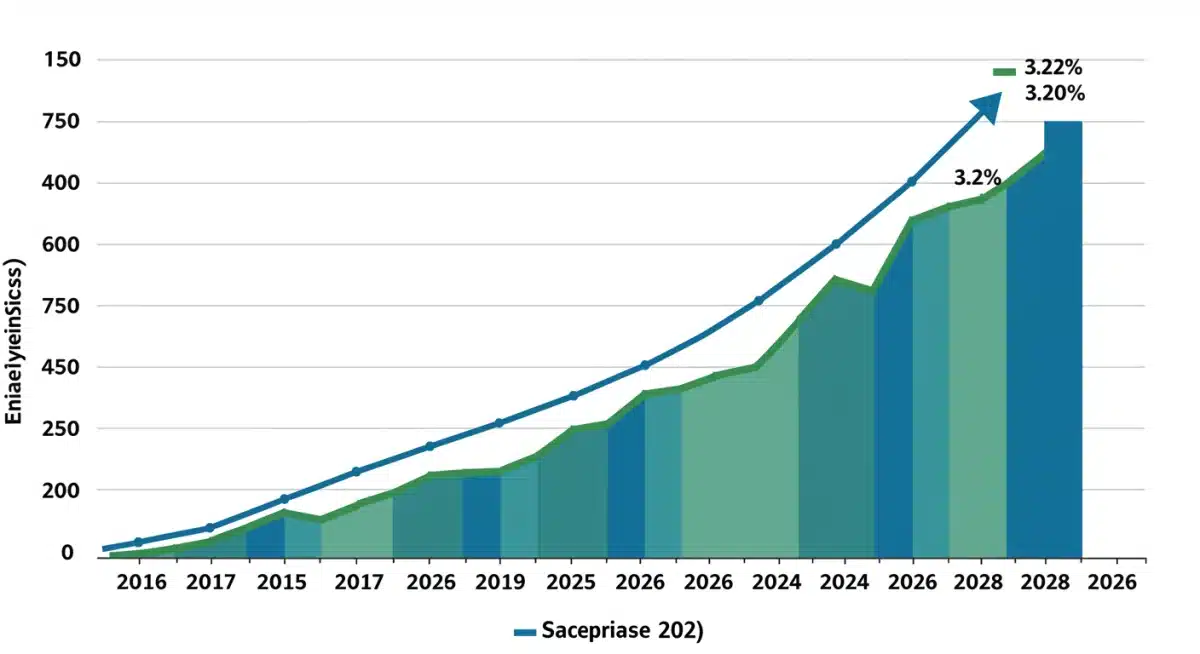
The inclusive nature of the COLA ensures that the protective umbrella of Social Security extends to all those it is designed to serve. It’s a recognition that inflation doesn’t discriminate and affects all segments of the beneficiary population equally.
The Importance for Financial Planning
For all beneficiaries, the COLA provides a predictable increase that can be factored into annual financial planning. While the exact percentage is confirmed later in the year, the projection allows for preliminary budgeting. This foresight is particularly valuable for those on fixed incomes, enabling them to make informed decisions about their spending, savings, and investments.
The COLA acts as a vital safety net, ensuring that these vulnerable populations do not fall behind due to economic inflationary pressures. It underscores the program’s foundational principle: to provide a measure of economic security to the nation’s workers and their families.
In summary, the 2026 COLA benefits a broad spectrum of Americans, from retirees to disabled individuals and their families. It’s a testament to the program’s comprehensive design and its ongoing commitment to supporting those who have contributed to the system throughout their working lives.
How Inflationary Pressures Influence COLA Projections
Inflationary pressures are the primary drivers behind Social Security Cost-of-Living Adjustment (COLA) projections. The 2026 Social Security COLA, like all previous adjustments, is a direct response to how the cost of goods and services changes over time. When prices rise significantly, beneficiaries need a corresponding increase in their benefits to maintain their purchasing power. Understanding this relationship is key to comprehending the COLA’s importance.
The Consumer Price Index for Urban Wage Earners and Clerical Workers (CPI-W) is the specific metric used by the Social Security Administration (SSA) to gauge inflation for COLA purposes. This index tracks a basket of goods and services, including food, housing, transportation, medical care, and other essentials. Fluctuations in these categories directly influence the CPI-W and, consequently, the COLA.
Key Factors Driving Inflation
Several factors can contribute to inflationary pressures, which in turn affect COLA projections:
- Energy Costs: Increases in oil and gas prices can cascade through the economy, affecting transportation and manufacturing costs, leading to higher prices for consumers.
- Supply Chain Disruptions: Global events or logistical challenges can limit the availability of goods, driving up prices due to increased demand relative to supply.
- Wage Growth: While beneficial for workers, significant wage increases can sometimes contribute to higher prices as businesses pass on increased labor costs to consumers.
- Monetary Policy: Decisions by central banks regarding interest rates and money supply can also influence the overall inflation rate in the economy.
The CPI-W and Its Role
The CPI-W is particularly relevant because it reflects the spending patterns of urban wage earners and clerical workers, a demographic that often faces the brunt of immediate price changes. Unlike other inflation measures, the CPI-W’s specific focus makes it a suitable indicator for adjusting benefits for those on fixed incomes.
Forecasting inflation is a complex process involving economic models, historical data, and current market conditions. The 3.2% projection for the 2026 COLA reflects the current assessment of these inflationary trends, indicating that while inflation may not be as high as in some previous years, it remains a significant factor requiring adjustment.
For beneficiaries, paying attention to inflation news and economic reports can provide valuable insights into potential COLA adjustments. It allows them to anticipate changes in their benefits and plan their finances more effectively. The COLA is not merely a number; it’s a direct reflection of the economic realities faced by everyday Americans.
Maximizing Your Benefits: Planning for the 2026 COLA
Understanding the 2026 Social Security COLA projection is the first step; the next is to strategically plan to maximize its impact on your financial well-being. While the COLA automatically adjusts your benefits, proactive planning can ensure you get the most out of this increase and maintain a robust financial outlook. This involves reviewing your overall financial strategy and making informed decisions.
One crucial aspect is to assess how the increased benefit interacts with other income sources. If you receive pensions, investments, or have part-time employment, the COLA will simply add to your total income. It’s important to understand how this might affect your tax situation or eligibility for other income-dependent programs.
Reviewing Your Budget
With an anticipated 3.2% increase, now is an opportune time to revisit your monthly budget. Identify areas where rising costs have been particularly noticeable and allocate the additional funds accordingly. This could mean covering higher utility bills, increasing your grocery budget, or setting aside more for healthcare expenses.
- Allocate for Essentials: Prioritize covering increased costs for housing, food, and medical care.
- Build an Emergency Fund: Consider using a portion of the increase to bolster your savings for unforeseen expenses.
- Debt Reduction: If applicable, direct extra funds towards paying down high-interest debt to improve long-term financial health.
Considering Tax Implications
It’s important to remember that Social Security benefits, including COLA increases, can be taxable depending on your overall income. If your combined income (adjusted gross income plus half of your Social Security benefits) exceeds certain thresholds, a portion of your benefits may be subject to federal income tax. The COLA increase could potentially push some beneficiaries into a higher tax bracket or make a larger portion of their benefits taxable.
Consulting with a financial advisor or a tax professional can provide personalized guidance on how the COLA might affect your specific tax situation. They can help you explore strategies to minimize tax liabilities and optimize your overall financial plan. Proactive tax planning is just as important as budgeting for the benefit increase itself.
Ultimately, maximizing your benefits from the 2026 COLA isn’t just about receiving a higher check; it’s about making that increase work best for your individual financial circumstances. By reviewing your budget, planning for taxes, and considering other income sources, you can ensure that the COLA effectively supports your financial security.
The Long-Term Outlook: Social Security’s Future and COLA
While the immediate impact of the 2026 Social Security COLA is important, it’s equally crucial to consider the long-term outlook for Social Security and how future COLA adjustments might evolve. The sustainability of the Social Security program is a frequent topic of discussion, and its future health directly influences the reliability and magnitude of these annual cost-of-living increases.
Projections from the Social Security Administration (SSA) indicate that the program faces long-term financial challenges, primarily due to demographic shifts, such as increasing life expectancies and lower birth rates. These factors mean that fewer workers are contributing to the system relative to the growing number of beneficiaries. This imbalance could, if left unaddressed, affect the program’s ability to pay 100% of promised benefits in the distant future.
Potential Reforms and Their Impact
Various proposals for Social Security reform have been put forward, ranging from adjustments to the retirement age to changes in how COLA is calculated. Some reforms could involve:
- Changes to the COLA Formula: Shifting to a different inflation index, such as the CPI-E (Consumer Price Index for the Elderly), which better reflects the spending patterns of seniors, could be considered. This might lead to different, potentially higher, COLA increases in some years.
- Adjustments to the Full Retirement Age: Gradually increasing the age at which individuals can claim their full benefits could strengthen the program’s finances.
- Taxation of Benefits: Modifying the thresholds at which Social Security benefits become taxable could generate additional revenue for the trust funds.
Ensuring Program Solvency
Despite these long-term challenges, it’s important to note that Social Security is not expected to run out of money. Even if no legislative changes are made, the program would still be able to pay a significant portion of scheduled benefits. The discussions around reform are aimed at ensuring the program’s full solvency for many decades to come, guaranteeing that future generations of retirees also receive their earned benefits.
For current and future beneficiaries, staying informed about these discussions is vital. While the 2026 COLA provides an immediate boost, understanding the broader context of Social Security’s financial health helps individuals make more informed decisions about their overall retirement planning. The program is a cornerstone of American financial security, and its continued strength is a priority for policymakers and beneficiaries alike.
The long-term outlook for Social Security and COLA adjustments is a dynamic area. While challenges exist, the commitment to the program’s solvency and the protection of beneficiaries’ purchasing power remains strong, ensuring that COLA continues to play a vital role in maintaining financial stability.
Preparing for Future COLA Announcements
Preparing for future Cost-of-Living Adjustment (COLA) announcements, including the 2026 Social Security COLA and beyond, is an ongoing process that involves staying informed and adaptable. While the annual COLA is determined by specific economic data, beneficiaries can adopt strategies to better anticipate and integrate these adjustments into their financial planning. This proactive approach helps to mitigate surprises and ensures continuous financial stability.
One of the most effective ways to prepare is to regularly monitor economic indicators, particularly those related to inflation. While you don’t need to become an economist, keeping an eye on general trends in consumer prices, energy costs, and housing markets can provide early clues about potential COLA percentages. News outlets and financial publications often report on these trends, offering accessible summaries.
Sources for COLA Projections and Updates
Several reliable sources provide projections and official updates regarding the COLA:
- Social Security Administration (SSA) Website: The official source for all COLA announcements and detailed information on how it’s calculated.
- Congressional Budget Office (CBO): Often releases economic outlooks that include inflation forecasts, which indirectly inform COLA expectations.
- Reputable Financial News Outlets: Many financial news organizations provide expert analysis and forecasts regarding COLA, often citing official sources.
Adjusting Your Financial Strategy
Beyond simply knowing the COLA percentage, it’s essential to integrate this information into your broader financial strategy. This means not just adjusting your budget for the coming year but also thinking about longer-term implications. For example, if COLA projections are consistently low, it might prompt you to explore other income-generating strategies or adjust your spending habits.
Consider creating a flexible budget that can easily accommodate small adjustments in your income. This might involve setting aside a small buffer in your monthly spending or having a contingency fund that can absorb minor inflationary impacts not fully covered by COLA. The goal is to build resilience into your financial plan.
Engaging with financial advisors who specialize in retirement planning can also be beneficial. They can offer personalized advice on how to best manage your Social Security income in conjunction with other assets, ensuring your financial plan remains robust regardless of economic fluctuations. Proactive engagement with your finances is the surest way to navigate the future of COLA announcements.
Preparing for future COLA announcements is about more than just numbers; it’s about building a resilient financial future. By staying informed, utilizing reliable resources, and strategically adjusting your financial plan, you can ensure that each COLA adjustment effectively supports your long-term financial well-being.
| Key Aspect | Brief Description |
|---|---|
| 2026 COLA Projection | The Social Security Administration projects a 3.2% Cost-of-Living Adjustment for 2026. |
| COLA Purpose | Designed to offset inflation and preserve the purchasing power of Social Security benefits. |
| Beneficiaries Affected | Includes retired workers, disabled workers, spouses, children, and survivors receiving benefits. |
| Financial Planning | Crucial for budgeting, managing taxes, and ensuring long-term financial stability for recipients. |
Frequently Asked Questions About the 2026 COLA
The primary goal of the Social Security Cost-of-Living Adjustment (COLA) is to protect the purchasing power of beneficiaries. It ensures that benefits keep pace with inflation, allowing recipients to afford the same goods and services despite rising prices, thereby maintaining their standard of living over time.
The 2026 COLA is determined by comparing the average Consumer Price Index for Urban Wage Earners and Clerical Workers (CPI-W) from the third quarter (July, August, September) of 2025 to the third quarter of 2024. The percentage increase in CPI-W translates directly to the COLA percentage.
Medicare Part B premiums are typically deducted directly from Social Security benefits. While COLA increases your gross benefit, the net increase you receive might be partially offset by any rise in Medicare premiums. The ‘hold harmless’ provision often protects beneficiaries from having their net benefit decrease due to premium hikes.
No, the 3.2% for the 2026 COLA is a projection based on current economic data and forecasts. The official and final COLA figure is typically announced by the Social Security Administration in October of the preceding year, after the third-quarter CPI-W data becomes fully available.
Once the official 2026 COLA is announced, the Social Security Administration will mail notices to all beneficiaries detailing their new benefit amount. You can also typically view this information online through your personal mySocialSecurity account on the SSA’s official website.
Conclusion
The projected 2026 Social Security COLA of 3.2% represents a vital adjustment for millions of Americans, ensuring their monthly benefits keep pace with the rising cost of living. This increase, rooted in meticulous economic calculations, underscores the Social Security program’s unwavering commitment to providing financial stability for retirees, disabled workers, and their families. By understanding the mechanisms behind COLA, anticipating its impact, and proactively planning, beneficiaries can effectively manage their finances and safeguard their purchasing power in a dynamic economic environment. Staying informed and engaging with reliable resources will continue to be key to navigating future adjustments and maximizing the benefits intended to support a secure future.